Three forms tell a Florida insurer about your roof. The roof section of a 4-point inspection and Citizens' Roof Inspection Form record the covering, its age, its remaining useful life and any damage. The wind mitigation form, OIR-B1-1802, records how the roof is fastened and sealed, for wind discounts, and stays valid up to five years. Citizens adds age lines at 25 and 50 years.
Tell us what prompted the inspection: an insurer's letter, a home purchase or sale, or storm damage. If you need an insurance document, confirm the exact form and who your insurer accepts to sign it before booking, then ask us whether that report is available.
Your insurer sent a letter about the roof
If the letter is about age and your roof is at least 15 years old, the 15-year rule gives you the right to an inspection before the insurer can require a replacement. Check which form the letter names. A 4-point and Citizens' roof form describe condition; the wind mitigation form describes wind features.
You're buying an older home
Citizens requires a 4-point inspection, roof included, on applications for properties more than 20 years old. A buyer of an older home may need one before the policy is written. The buyer's own home inspection is a separate job with its own state standards, covered under what an inspector looks at.
You're selling
Your buyer's insurer will want facts you can gather now. The 4-point roof section asks for the last roofing permit date, whether the roof was fully or partly replaced, and what share. A permit record and any earlier wind mitigation form answer that faster than memory.
Storms are the fourth reason; see after a storm.
The paperwork
Which roof inspection is which
A 4-point inspection, Citizens' roof form, a wind mitigation report and an inspection under the 15-year roof rule serve different purposes. Confirm the required form and accepted signer before booking; a request for a roof inspection does not include every report.
Item
4-point roof section
Citizens Roof Inspection Form
Wind mitigation form
15-year roof inspection
What it records
Covering, age, remaining life, last permit, share replaced, condition, damage
The same roof items, with photos of every slope
How the roof is fastened, sealed and shaped
Whether a roof 15 or older has 5+ years of life left
Who asks for it
Citizens, on properties more than 20 years old
Citizens, for roof condition
You, to claim wind discounts
Your insurer, before requiring a new roof
Who may sign
An inspector of a listed type; a trade specialist signs only its own section
A general, residential, building or roofing contractor, a building code inspector or a home inspector
The signers named in Fla. Stat. 627.711, or others your insurer accepts
An inspector your insurer accepts; roofing contractors are on the list
Subsection 5 of Florida Statute 627.7011 does three things for a homeowner's policy.
Under 15 years: the insurer can't refuse to write or renew the policy for the roof's age alone.
At 15 years or more: before demanding a replacement, the insurer must let you have the roof inspected, at your cost.
The 5-year test: if the inspector finds 5 or more years of useful life, the insurer can't refuse or non-renew because of age by itself.
Your insurer must accept the inspector, and the statute limits who qualifies: a home inspector, building code inspector, general, building or residential contractor, roofing contractor, engineer or architect, or someone else the insurer finds qualified. Roofing contractors are on this list; the wind mitigation list below differs.
Age runs from the last date the entire roof surface was built or replaced, so a patch doesn't make a roof younger. Partial jobs count once they add up to the whole roof, dated from the first one.
The rule covers homeowners' policies issued or renewed on or after July 1, 2022. Senate staff note that it doesn't reach mobile home policies.
Citizens Property Insurance
Citizens and roof age: the 25- and 50-year lines
Citizens, the state's own property insurer, adds roof-age lines on top of the statute. Its FAQ, updated March 17, 2026, splits soft coverings from hard.
Item
Fla. Stat. 627.7011(5)
Citizens
Shingle and other soft coverings
From 15 years, an inspection comes before any replacement demand; 5+ years of life left blocks an age-only refusal
Older than 25 years: documentation of at least 5 years of remaining life
Tile, slate, clay, concrete or metal
The same 15-year rule; subsection 5 does not split by material
Older than 50 years: documentation of at least 5 years of remaining life
Mobile homes
Senate staff say subsection 5 does not apply to mobile home policies
A 4-point is required on mobile home applications for properties more than 20 years old
Near either line, the figure that matters is remaining useful life, which the inspector estimates on the form.
4-point inspection
What the roof section of a 4-point asks
A 4-point inspection looks at four systems: the roof, electrical, plumbing, and heating and air conditioning. On Citizens' current form, Insp4pt 03 25, the roof section records:
The covering material and the roof's age
Remaining useful life
The date of the last roofing permit and the last update
Whether the roof was replaced in full or in part, and the share replaced
Overall condition
A damage checklist, below
With photos of each roof slope, that section can stand in for Citizens' separate Roof Inspection Form.
The damage checklist
Cracking
Cupping or curling
Excessive granule loss
Exposed asphalt
Exposed felt
Missing, loose or cracked tabs or tiles
Soft spots in the decking
Visible hail damage
Visible leaks in the attic, on the underside of the decking or on interior ceilings
Who signs: Citizens names general, residential and building contractors, building code inspectors and home inspectors as examples. A roofer, like any trade specialist, may sign only its own trade's section.
OIR-B1-1802
The wind mitigation form: who signs it and how long it lasts
Florida insurers must offer discounts, credits or deductible reductions for building features that cut wind losses, including roof strength, roof covering performance and roof-to-wall strength (Fla. Stat. 627.0629). The uniform form, OIR-B1-1802, is how a home's features get on the record.
The current version, Rev. 04/26, took effect April 1, 2026 under Rule 69O-170.0155. The form says it is valid for up to five years, as long as the structure has no material changes and no inaccuracies turn up.
Who may sign it
Fla. Stat. 627.711(2)(a) names the inspectors an insurer must accept on this form:
A home inspector with at least 3 hours of hurricane mitigation training and a passed proficiency exam
A building code inspector
A general, building or residential contractor
A professional engineer
An architect
Anyone else the insurer recognizes
A roofing contractor is not on that named list, though insurers may accept others. The signer must inspect in person; only engineers and general, building or residential contractors may send a direct employee. Before you book anyone for this form, ask your insurer whom it accepts.
What the discounts are, and what they aren't
The state's consumer notice, OIR-B1-1655, says wind discounts apply only to the hurricane-wind part of the premium and don't stack. It calls securing the roof and protecting windows the two most cost-effective measures. For actual percentages, the regulator sends you to your insurer or agent.
Questions 1 to 8
The form's roof questions, and what the inspector must show
Most of Rev. 04/26 is about the roof or the wind it has to resist. For questions 2 through 9, each answer needs at least one photo or document as proof.
Item
What it asks
What decides the answer
Q1 Building code
Built under the 2001 or 2004 code, the 2007 code or later, or South Florida's 1994 code in the HVHZ
Permit or build dates; the 2007 code took effect March 1, 2009
Q2 Wind region
Design wind speed at the address: HVHZ, Region 1 (140 mph or more), Region 2 (130 to 139) or Region 3 (under 130)
ASCE 7-22, looked up on ascehazardtool.org
Q3 Roof slope
6:12 or steeper, or flatter than 6:12
The slope covering two-thirds of the main roof
Q4 Roof covering
Covering type and its Florida or Miami-Dade approval
Permit date, or product approval number and year installed
Q5 Deck attachment
Deck nailing: A (staples or 6d nails), B (8d nails, 12 in. apart in the field), C (8d nails 6 in. apart, or at least 2 nails per plank) or D (concrete)
Attic photos; “No attic access” is an answer of its own
Q6 Roof-to-wall
The weakest link: toenails, clips, single wraps, double wraps or structural
A connector counts with 3 or more nails into the truss, a gap under 1/2 in. and no severe corrosion
Q7 Roof geometry
Hip, flat or other; hip means non-hip features make up 10% of the perimeter or less
“Flat” means five or more units with 90% of the main roof under 2:12, so a flat-roofed house is “Other”
Q8 Secondary water resistance
Is the deck sealed under the covering?
Adhered ASTM D1970 membrane, taped seams, double felt or synthetic, or foam at joints; standard underlayment or hot-mopped felt doesn't qualify
A FORTIFIED Home designation from the Insurance Institute for Business & Home Safety, at the Roof, Silver or Gold level, can validate questions 4 to 6 and 8 to 9.
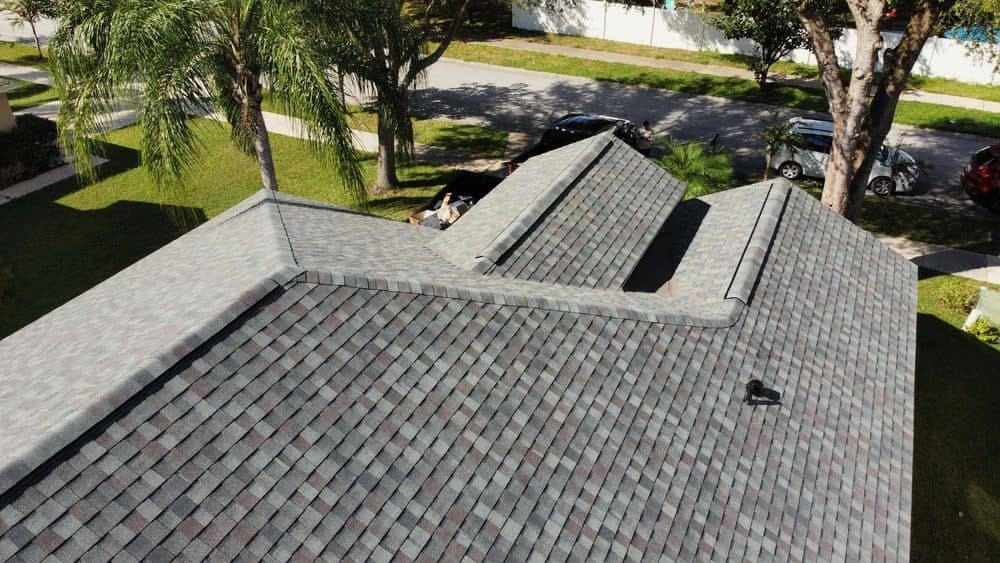
A hip roof from the drone
Roof and attic
What a roof inspector looks at
Florida's standards for home inspectors (Rule 61-30.805) set the floor: visible roofing materials, flashings, chimneys and other penetrations, drainage, attic ventilation and insulation. An inspector may stay off a roof that is too steep, wet, damaged or unsafe to walk.
An inspection for an insurer adds what its form asks. A 4-point wants age, remaining life, permit history and damage. Wind mitigation wants deck nailing, roof-to-wall connectors and any sealed deck, with photos.
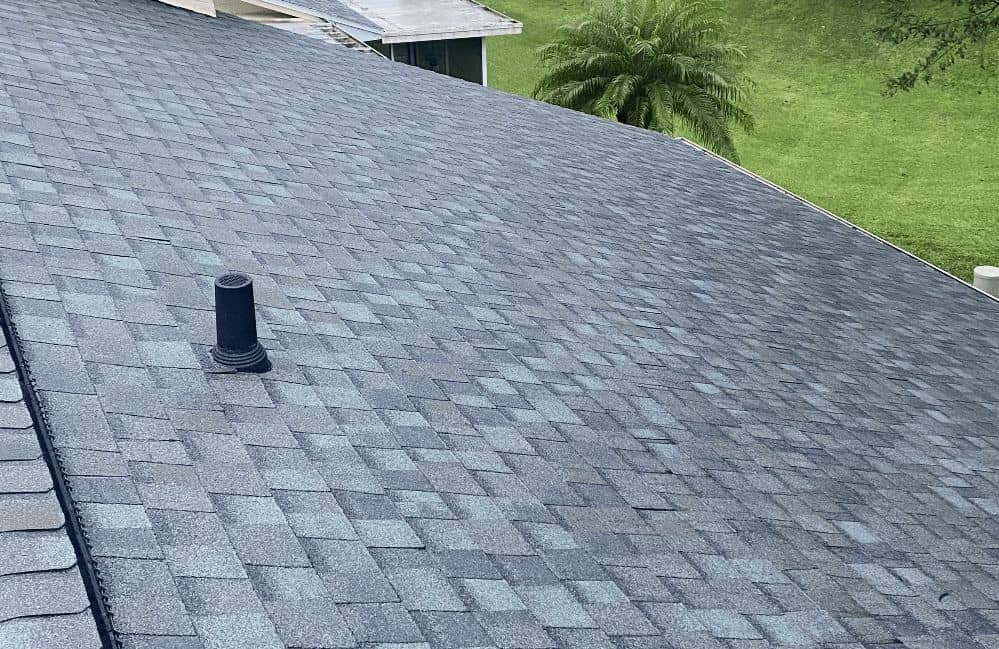
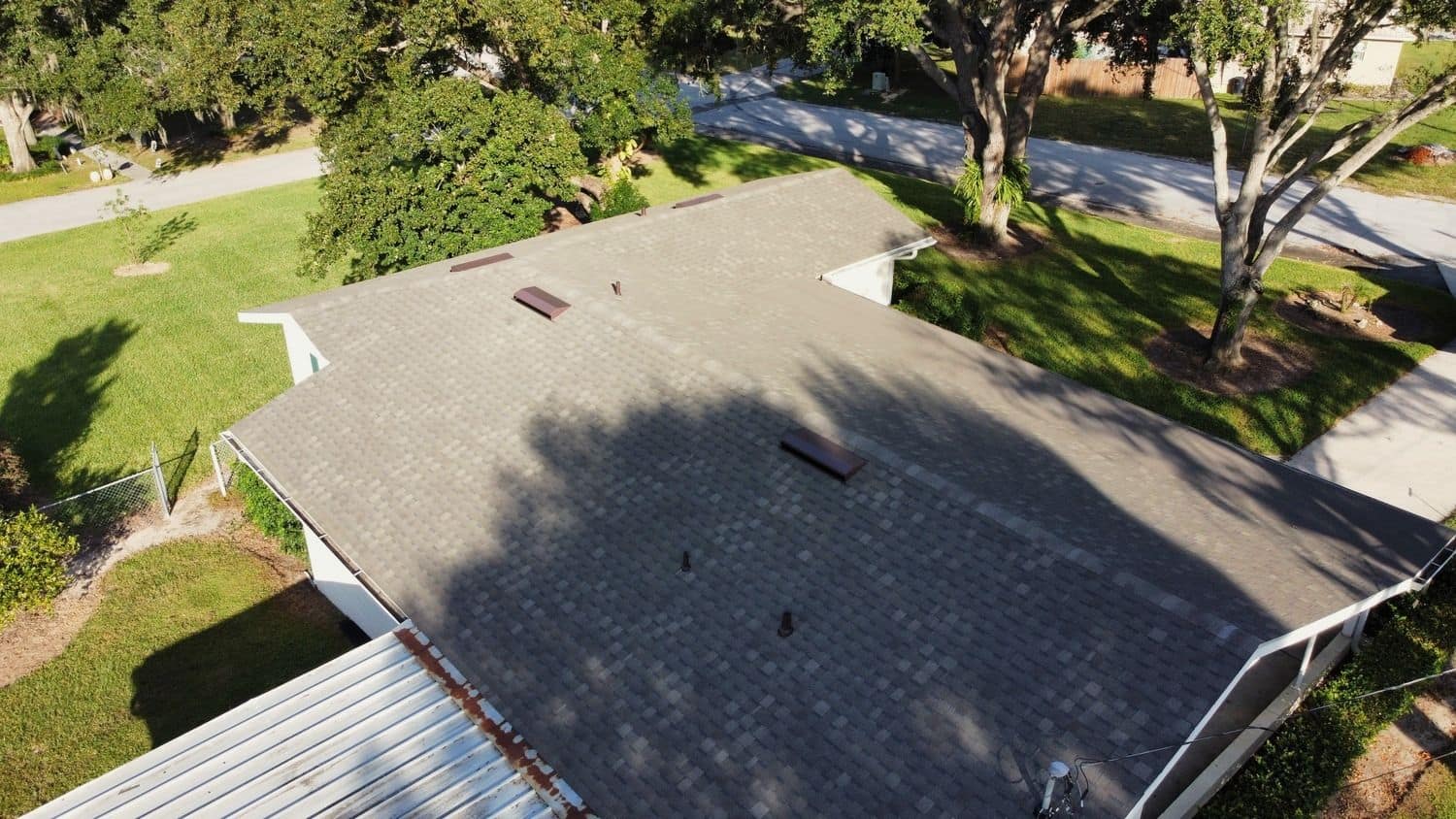
Pipe boot, one of the penetrations on the list
Before the inspector arrives
Find the last roofing permit date; the 4-point asks for it
Know whether the roof was fully or partly replaced
Clear a path to the attic hatch; a blocked attic leaves wind answers unproven
Pull out any earlier wind mitigation form
Look for the product approval number in the permit papers
When you request a South Fork Roofing inspection, tell us your town and why you need the roof checked. If a specific report is required, name it so you can confirm its availability before arranging a visit.
Hurricane season runs June 1 to November 30 and peaks around September 10, with most activity from mid-August to mid-October.
After Hurricane Michael in 2018, FEMA's teams found that damaged roof coverings were a main way water got inside. On one house the ceilings fell though the roof lost only ridge shingles and its ridge vent. After Hurricane Ian in 2022, hips and ridges took the most common damage, on newer and older roofs alike.
From the ground: missing shingles or tiles along hips, ridges and roof edges
A ridge vent that has lifted or gone
Inside: fresh ceiling stains, or wet insulation and a damp deck in the attic
Next steps
After the inspection: repair, replace or file the report
01
Life left, no damage
Send the report to your insurer or agent, and keep a copy with the permit record.
02
Damage, but life left
A roof repair may do. The code caps repairs at 25% of a roof or roof section in any 12 months unless that whole section is redone; roofs built to the 2007 code or later are the exception. A repair doesn't reset the roof's age for the 15-year rule.
03
Under five years left
The statute's 5-year protection no longer applies, so the insurer may require a roof replacement. On a house permitted before the statewide code took effect on March 1, 2002, a re-roof must re-nail the deck and add a secondary water barrier. Those are the items questions 5 and 8 grade.
Fla. Stat. 215.5586 created the My Safe Florida Home Program. Its inspections are for site-built, owner-occupied single-family homes, detached or attached up to three stories, that carry a homestead exemption.
Grants add conditions. The home must have been built before January 1, 2008, per the property appraiser, and had a program inspection in the prior 24 months. There is a cap on its value and an income test, and owners who aren't low-income pay a matching share. Qualifying roof work is stronger roof-to-wall connections, better deck attachment, and secondary water resistance with a new covering. The statute says it creates no entitlement.
The program's site advertises grants and wind-mitigation inspections at no cost. It did not say whether applications were open when we read it on October 5, 2026, so check mysafeflhome.com for its current status before you plan around it.
Roof cost estimator
See a ballpark for a roof inspection
A few questions: why you need it, where the home is, the roof's age and what's on it. The result shows a published Florida range for inspections, marked as market data and not our price.
Ranges come from published Florida cost guides. They are not South Fork Roofing's prices.
Photos
From our jobs
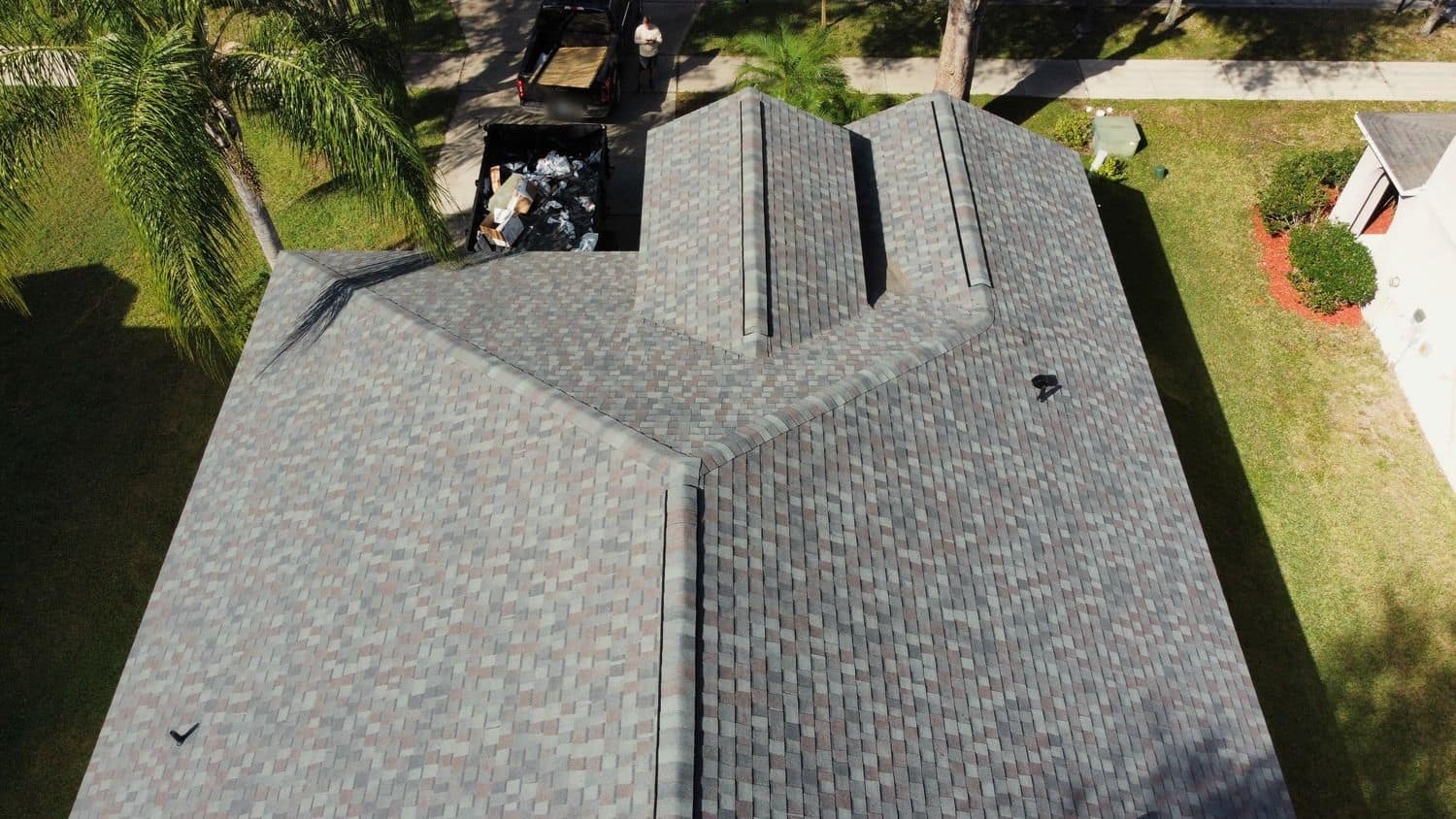
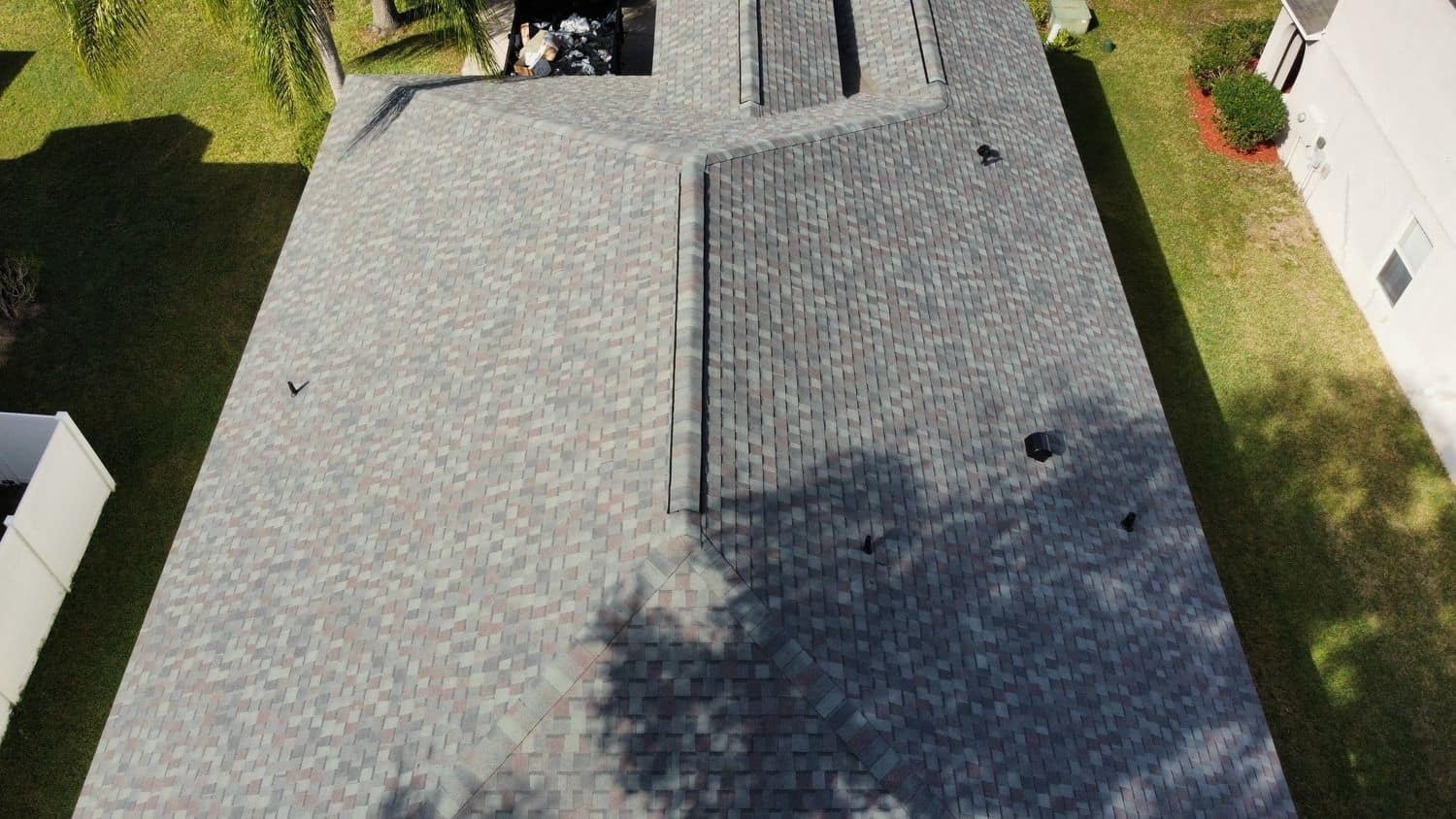
Ridge vents along the peak
Gray-blend shingles from above
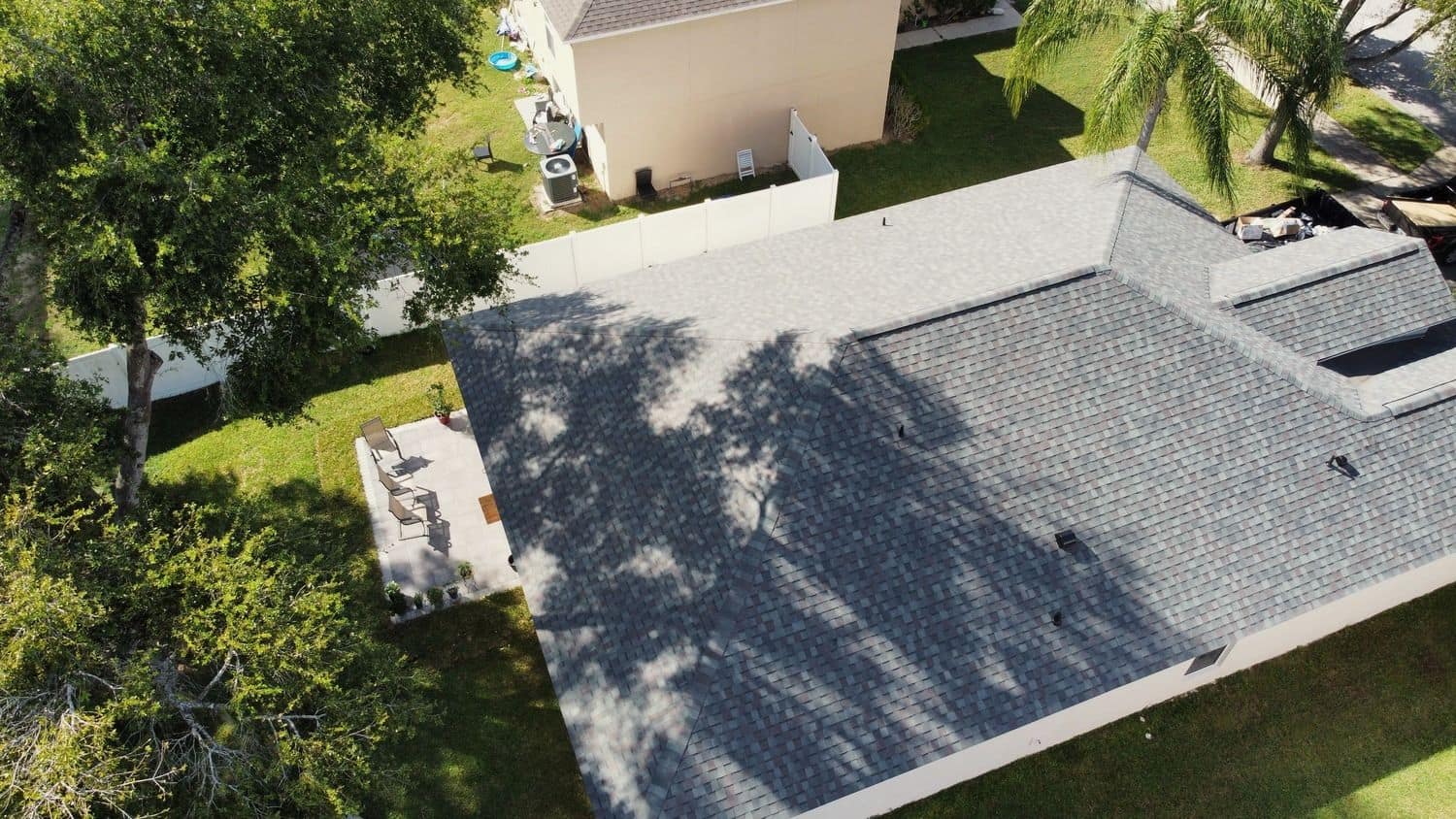
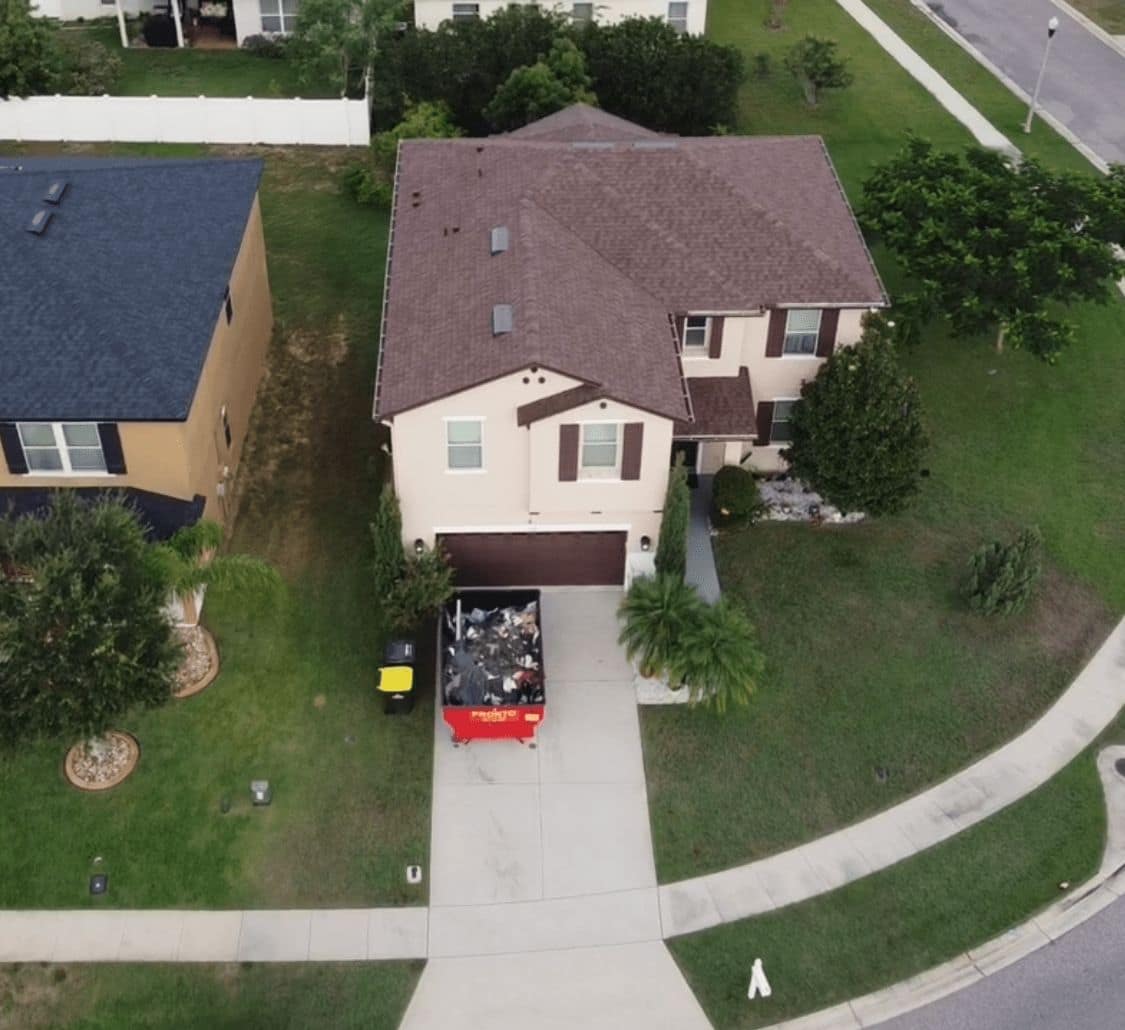
A two-story roof from the drone
Google reviews
In their words
South Fork Roofing did a fantastic job! They made the entire process super easy and were always willing to help me with any questions I had. High quality work in a very timely manner. I'm a very happy customer who couldn't recommend them more!!
Kyle was absolutely wonderful to work with and did a fantastic job on repairing some roof tiles for our company building. I highly recommend his services and will definitely use his company again.
It depends on the inspector and the form, and for the 15-year roof inspection Florida law makes it the homeowner's bill, not the insurer's. Quotes usually move with the form you need, the roof's size and pitch, attic access, and whether a wind mitigation form is added to the visit. This page prints no prices. Ask for the price in writing before the visit, and ask which forms it covers.
What are the requirements for roof inspections in Florida?
There is no single statewide roof inspection; each form has its own rules. The 15-year inspection needs an inspector your insurer accepts, of a type named in Fla. Stat. 627.7011(5). Citizens' 4-point needs a signer of a listed type, and trade specialists may sign only their own section; its separate Roof Inspection Form needs photos of each roof slope. The wind mitigation form needs a signer named in 627.711 who inspects in person, and a photo or document behind each answer from question 2 to 9.
Citizens does at set points, and other insurers write their own rules into underwriting. Citizens requires a 4-point inspection, roof section included, on property owner, dwelling and mobile home applications for properties more than 20 years old. It also asks for proof of at least five years of remaining life on soft roofs past 25 years and hard roofs past 50. For other companies, check the renewal letter or ask your agent.
Under Florida law, a 20-year-old roof's remaining life matters more than its age. Because it is past 15 years, Fla. Stat. 627.7011(5) gives you the right to an inspection before your insurer can require a new roof. If that inspection shows 5 or more years of useful life left, the insurer can't refuse or non-renew for age alone. Citizens' own line for shingle roofs sits later, at 25 years. Whether a company writes the policy is still that company's decision.
Insurance roof forms don't hand out a pass or a fail. They record condition, and the insurer decides what it will accept. Citizens' 4-point names what the inspector must check: cracking, curling, granule loss, exposed felt, missing or cracked tabs or tiles, soft decking, hail damage and leaks. Remaining life counts too. Under 5 years, the statute's age protection stops applying. The full list is in the damage checklist above.
Is a wind mitigation inspection required in Florida?
The statutes behind this page don't require a homeowner to get one; they make it the way to prove the features that earn wind discounts. Fla. Stat. 627.0629 requires insurers to offer discounts, credits or deductible reductions for features such as roof strength and roof-to-wall strength, and form OIR-B1-1802 documents them. Since October 1, 2023, each insurer has had to explain its hurricane mitigation discounts on its website. Ask your agent which features your insurer credits.
It can change several answers, so a fresh form after the job is worth asking about. On a house permitted before the statewide code, a re-roof must bring deck nailing up to the code's table and add a secondary water barrier. Those are questions 5 and 8, and the new permit date answers question 4. In the wind-borne debris region, a re-roof on some higher-value homes can also require roof-to-wall upgrades, within a cost cap. Your insurer decides the credits.
Not because it is metal, according to the state's own consumer notice. Form OIR-B1-1655 lists the wind features insurers credit: a covering that meets the Florida Building Code, deck attachment, the roof-to-wall connection, roof shape, secondary water resistance and opening protection. It has no separate line for a roof material. A new metal roof can still change those answers, the same way any permitted re-roof can.
Is a roof certification the same as a roof inspection?
A roof certification is usually an insurer's roof condition form, filled out after an inspection. No Florida statute defines the term. Citizens' current Roof Inspection Form, RCF-1, was once titled the Roof Condition Certification Form. It must be signed by a general, residential, building or roofing contractor, a building code inspector or a home inspector, with photos of each roof slope. If your insurer asks for a roof certification, ask which form it means.
Twice a year, in fall and spring, is the advice of the National Roofing Contractors Association, along with keeping gutters clear. In Florida, a spring check lands before hurricane season opens on June 1, and a fall check comes as it winds down toward November 30. NRCA says those checks often catch cracked, warped or missing shingles, loose seams, worn flashing and granules piling up in gutters. Insurance forms run on their own schedule, set by the insurer.