Roof types
Tile roofs in Florida
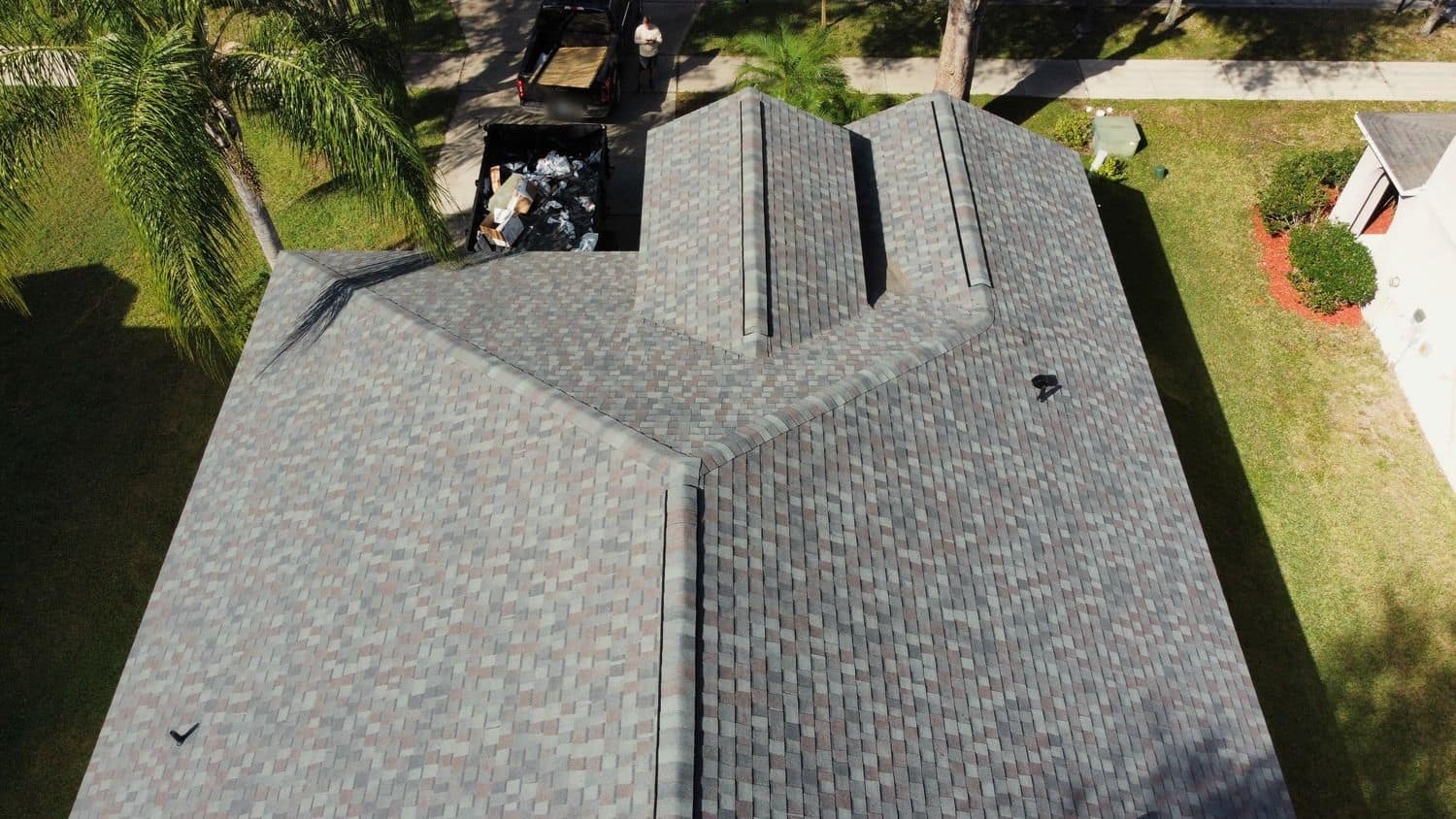
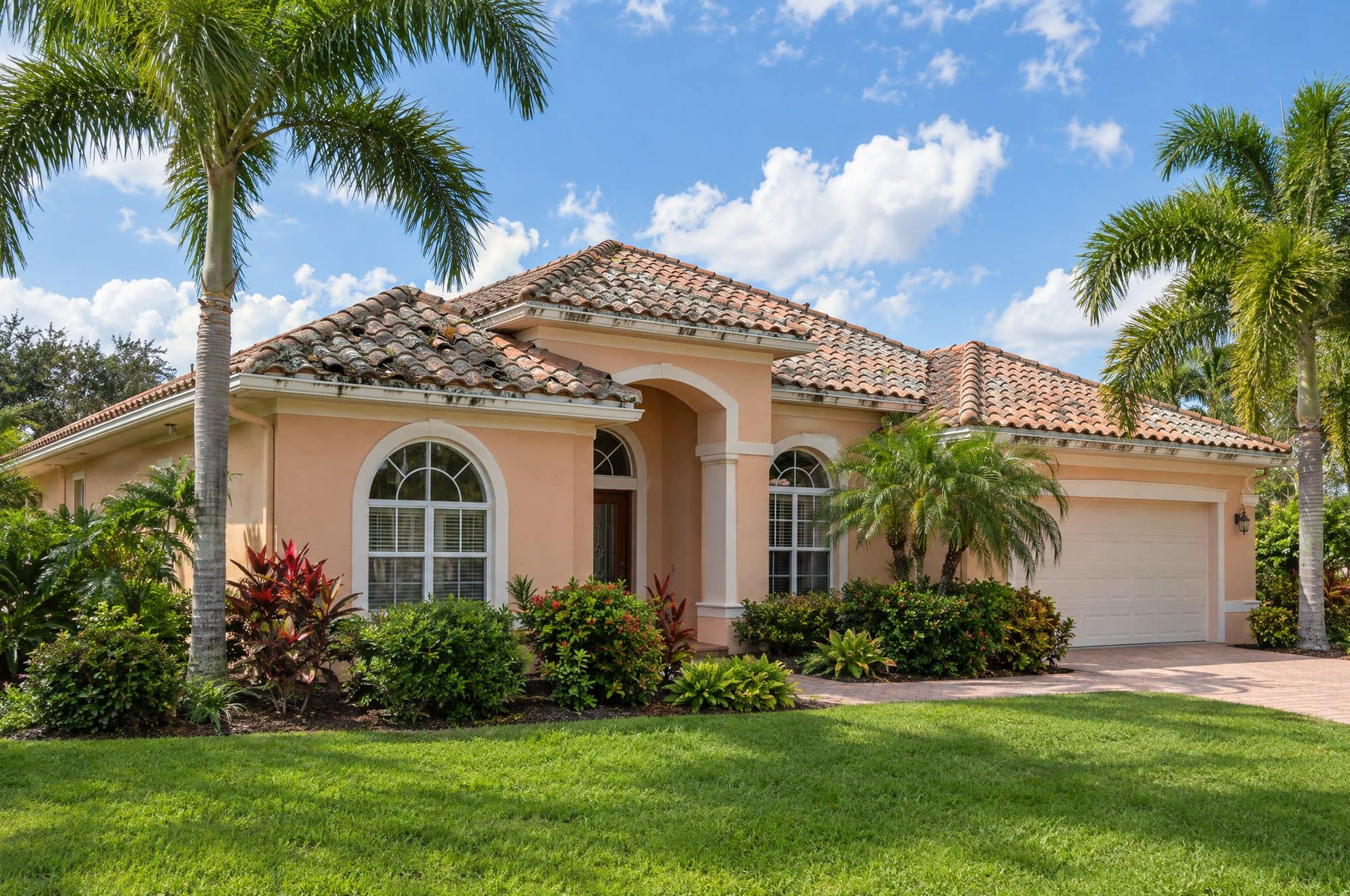
Tile roofs in Florida are two layers doing two jobs. Concrete or clay tile takes the sun, the wind and most of the rain. The underlayment beneath it is the water barrier that matters when a tile cracks. The tile industry says the tile can outlast the house, so repair and replacement decisions start underneath.
Updated October 2026
The short answer
Concrete and clay tile are long-lived roofs: the Tile Roofing Industry Alliance says a tile roof can outlast the building, and InterNACHI's Florida chart lists 80-plus years. The underlayment under the tile is what keeps water out when one breaks, and no primary source gives it a life span. In Florida, tile also goes on by a manual the code names, and foam or mortar needs state product approval.
Lifespan
How long a tile roof lasts in Florida
Tile lasts a very long time, and every source on this page agrees on that much. Where they part ways is the number, and none of them comes from a Florida field study with a published method. Here is what each one says about concrete and clay tile.
| Item | What it says about tile | Kind of source |
|---|---|---|
| Tile Roofing Industry Alliance | "Can reasonably be expected to outlast the building it protects" | Industry association FAQ |
| National Association of Home Builders and Bank of America study, 2007 | Over 50 years for clay and concrete | National study, read through a mirror copy |
| InterNACHI national chart | 100+ years | Inspector guideline, no published method |
| InterNACHI Florida chart | 80+ years | Florida and coastal guideline, no published method |
| National Roofing Contractors Association (NRCA) consumer guidance | Most new roofs serve about 20 years; clay tile is named among the types that can last longer | Roofing contractors' trade association |
Against asphalt, the gap is wide on every chart: 15 to 20 years for architectural shingles on InterNACHI's Florida list, and 20 years for asphalt in the NAHB study. Those are the tile's numbers, though, not the whole roof's.
The layer with no sourced life span
Beneath the tile sits the underlayment, and its life span is the honest gap in this research. No primary source we read gives one. Online summaries credit a figure to a tile maker whose own FAQ, read for this page, does not contain it, and roofer blogs disagree with each other. So this page prints no number. If a bid leans on one, ask where it came from.
The tile industry points at exposure rather than age. The Tile Roofing Industry Alliance (TRI) writes that underlayment the elements have not reached "will likely continue to shed water" regardless of its age. A broken tile or a failed flashing is what lets sun and rain get to it.
Sun and storms
Florida heat, hurricanes and a tile roof
A Florida roof has two long seasons to get through: months of hard sun, and hurricane season, which NOAA's hurricane center dates from June 1 to November 30, with the peak around September 10.
On heat, color beat material in the Florida Solar Energy Center's side-by-side test houses in Fort Myers, measured in the summer of 2000. White flat tile and white barrel tile ranked among the strongest performers. The terra cotta tile house cut cooling energy only 3 to 9 percent against a dark-shingle control house, whose attic ran 40°F above outdoor air at the peak hour.
Tile does not change the attic rules. The FRSA/TRI manual repeats that the attic must be ventilated or sealed, with vents that meet ICC-ES AC132, and FBCR R806.2 sets the vent area for a ventilated attic at 1/150 of the space, or 1/300 when 40 to 50 percent of that vent area sits high, within 3 feet of the ridge.
Fire is the easy part: clay and concrete tile are both noncombustible and rated Class A, per the Tile Roofing Industry Alliance.
Materials
Concrete vs clay roof tile
Florida's residential code (FBCR) gives each material its own standard: ASTM C1492 for concrete tile and ASTM C1167 for clay (R905.3). After that, the rules are shared. Both go on solid sheathing unless the system was tested over spaced boards. Both follow the maker's instructions or the FRSA/TRI high-wind tile manual for slope, underlayment, fasteners, hip and ridge, and flashing.
The differences that show up in the research are narrower than you might expect:
- Wind lab results. Florida International University's 2007 tests for the State found that concrete tile set in mortar appeared to be the strongest system, and that clay tiles adhere better to foam.
- Weight. The published Florida figures in this research are for concrete, about 770 to 970 pounds per 100 square feet installed. There is no clay figure here, so ask the maker of any clay tile you are quoted.
- Surface. Concrete tile can show efflorescence. Eagle Roofing's FAQ calls it "a temporary surface condition" that does not affect function.
Profiles
Barrel tile vs flat tile
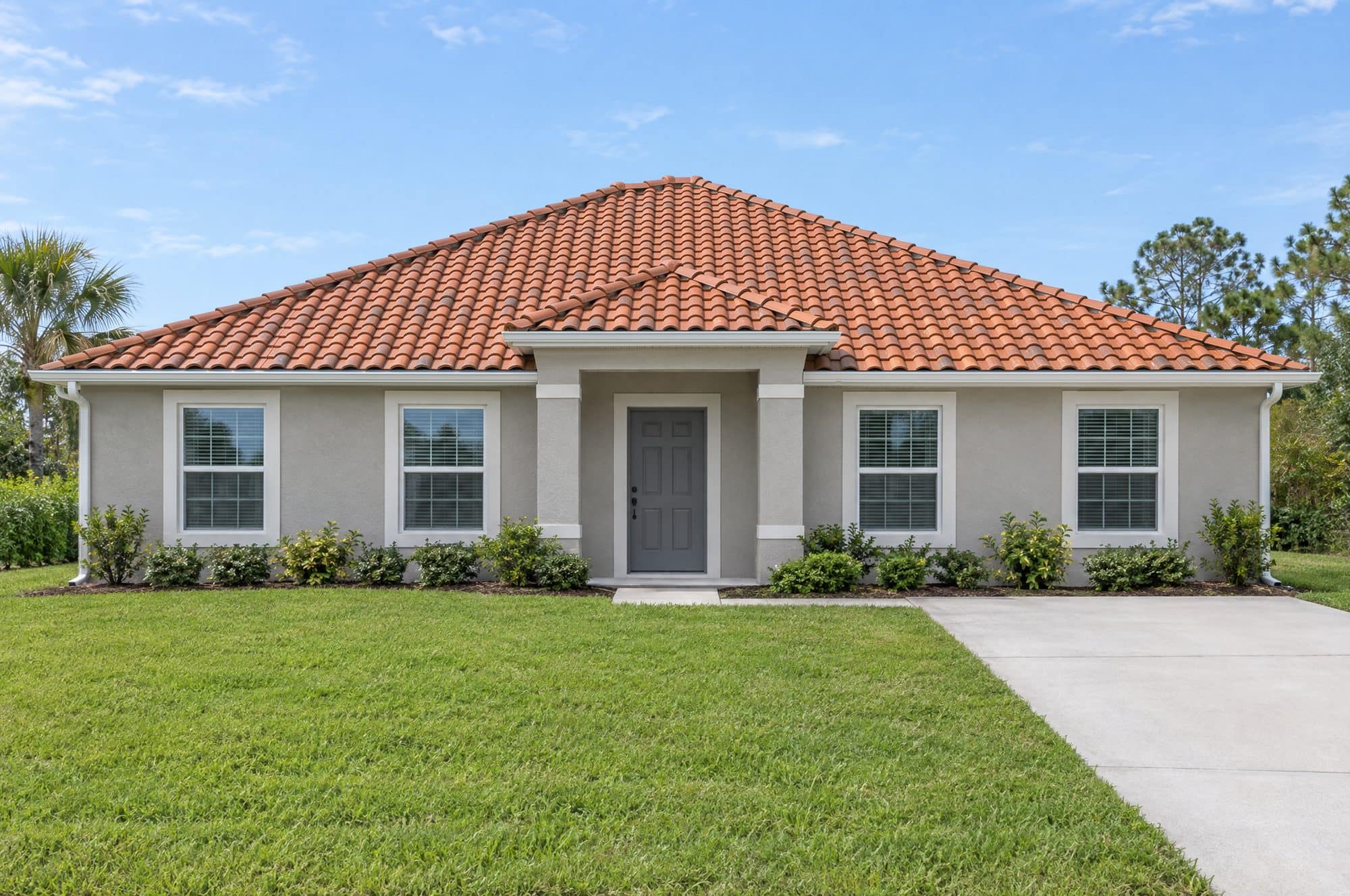
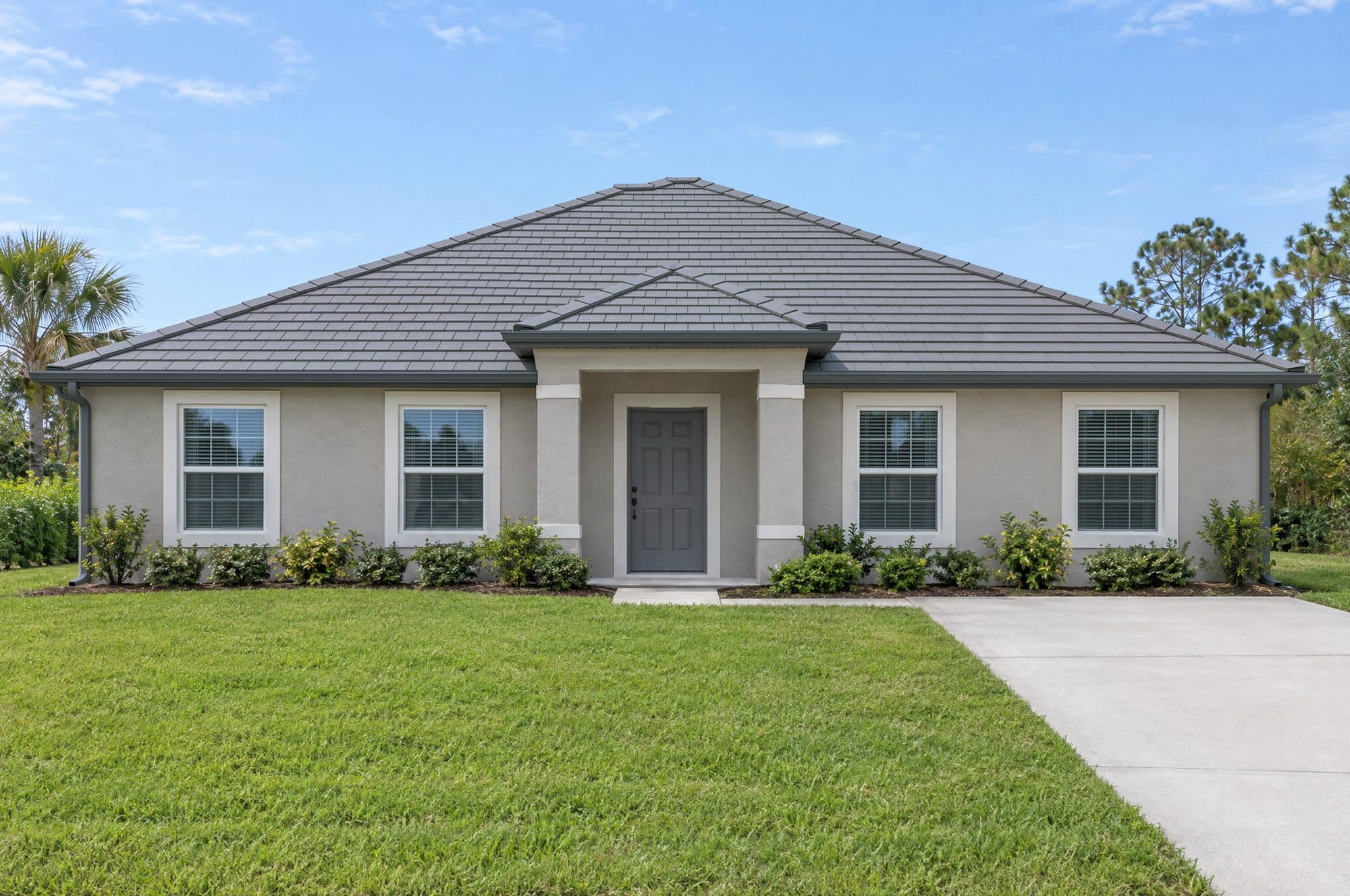
Profile is the tile's shape. Barrel tile, also called S tile, is curved, so the finished roof reads as rows of rounded channels. Flat tile lies in straight, low courses.
 Illustration
Barrel (S) profile on a sample house
 Illustration
Flat profile on the same sample house
In the rules this page cites, profile changes less than people expect. The code's tile section and the manual's attachment and slope rules turn on material, slope and attachment method. None of the requirements quoted here is written for one profile alone.
Profile matters most at repair time. Florida's code lets salvaged tile go back on a repair only when it is like kind in material and profile (FBCR R908.5), and many profiles are no longer made.
Weight and framing
Can your house carry a tile roof?
Tile is heavy, and at least one maker publishes exactly how heavy. Eagle Roofing lists approximate installed weights for its Florida field tile of about 770 to 970 pounds per 100 square feet: 770 for the Malibu profile, 880 for Capistrano and 970 for Bel Air. The same sheet lists its lightweight line for California and Phoenix only.
The Department of Energy's Building America guide puts tile at about three times the weight of asphalt roofing and says the framing and sheathing must be able to carry it. The Tile Roofing Industry Alliance says many homes need little or no added reinforcement. Both can be true of different houses. If yours has shingles today, a structural check of the framing comes before any talk of colors.
The deck matters as much as the framing. Tile goes only over solid sheathing unless the system was tested otherwise (FBCR R905.3). When an old covering comes off an existing home's wood deck, the deck nailing must meet the re-nailing table in R908.7.1, unless the house was permitted under the Florida Building Code.
Under the tile
Tile roof underlayment: the part a re-roof is really about
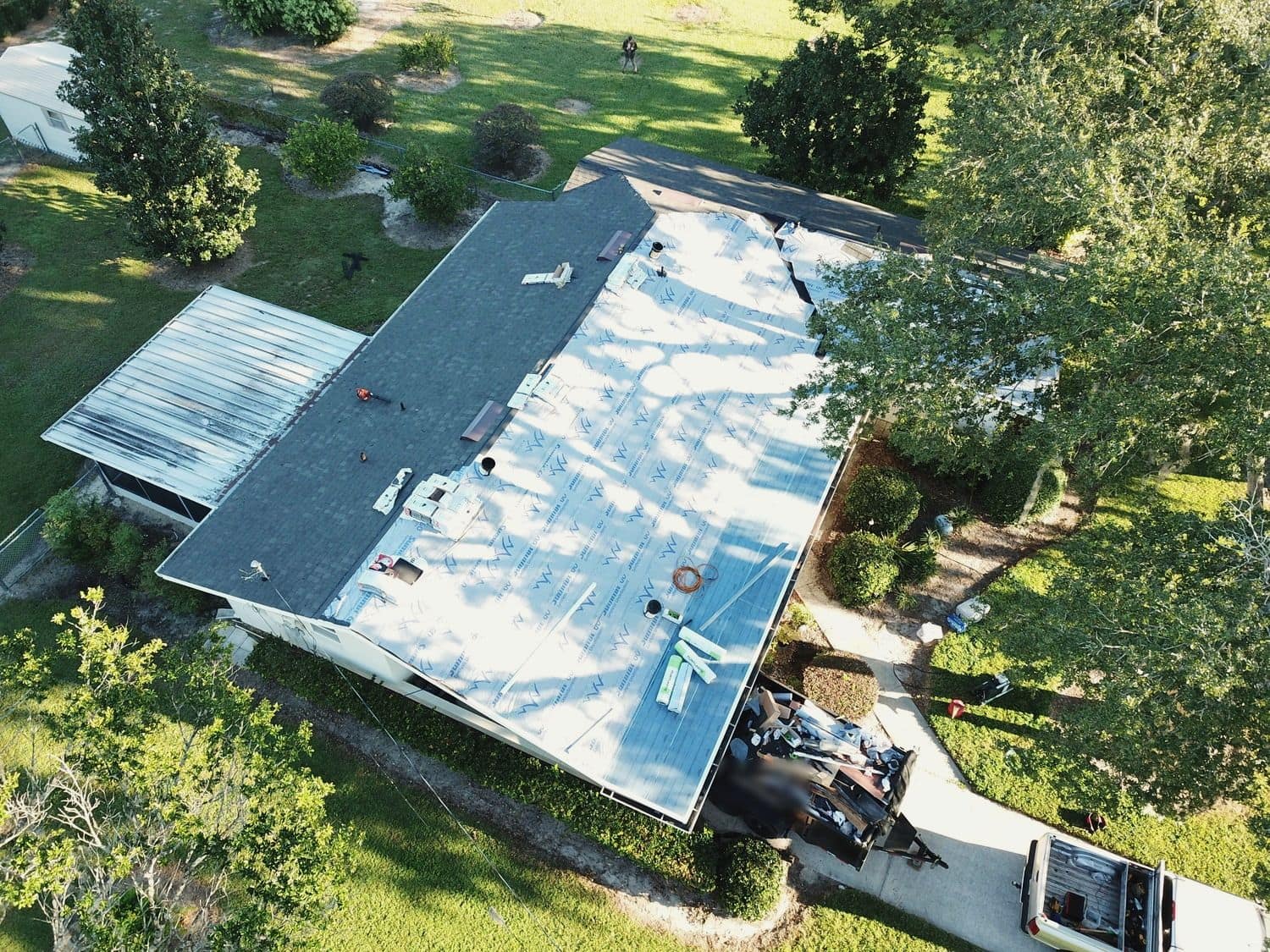
The tile sheds most of the rain, and the underlayment catches what gets past. In the Tile Roofing Industry Alliance's words, "In most cases, the underlayment acts as a secondary water barrier." The Department of Energy's guide adds that when tiles break, the underlayment, flashing and sheathing are the only protection left.
Florida's tile manual offers two underlayment builds. One is a single ply of self-adhered membrane at least 40 mil thick, SBS or APP modified. The other is two plies: a base sheet fastened mechanically, with a cap sheet over it. Your bid should say which one you are buying.
The manual also warns against "mixing of systems, which can lead to a reduction in the life span of a tile roof system". Ask which manual system or product approval covers the underlayment and the attachment on your bid, and whether every part belongs to it.
 Illustration
 of an aging tile roof with cracked and slipped tiles. Not a South Fork Roofing job.
One code detail confuses people. On a re-roof, FBCR R908.7.2 normally requires a secondary water barrier, but its Exception 2 deems a clay or concrete tile system installed to the code to comply. The wind mitigation form is a separate question with its own definition, and it says standard underlayment and hot-mopped felts do not count as secondary water resistance there. How your roof is graded on that form is the inspector's call, and what that does to a premium is your insurer's.
Attachment
Foam, mortar or fasteners: how tile is attached in Florida
The FRSA/TRI manual allows three ways to hold tile down: mechanical (nails, screws or clips), adhesive or foam-set, and mortar. Each foam system needs Florida Building Code product approval, and so does any mortar used to fasten tile.
Slope narrows the choices. Under the manual's slope matrix, battens are allowed only at 4:12 (4 inches of rise per foot of run) and steeper, and the lowest slopes it covers, starting at 2:12, are adhesive-set. Steeper roofs add fasteners even to foam-set tile. No added fasteners are needed from 2:12 up to 6:12. Above 6:12 and up to 7:12, the first course and every third tile in every fifth course are also fastened. Above 7:12, every tile is.
| Item | Mechanical | Foam (adhesive) | Mortar |
|---|---|---|---|
| Holds the tile with | Nails, screws or clips | Foam adhesive | Mortar |
| What the code or manual adds | Nails at least 11 gage with a 5/16-inch head, corrosion resistant, 3/4 inch into the deck (R905.3) | FBC product approval for the foam system | FBC product approval for the mortar |
| Minimum slope in Broward and Miami-Dade, the HVHZ (Table 1515.2) | 4:12 | 2:12 | 2:12 |
| HVHZ field test before final inspection (1512.4) | Not named for this method | TAS 106 static uplift test | TAS 106 static uplift test |
Which method holds up in a hurricane?
The evidence splits, so treat any bid that calls one method the strongest with care. FEMA's guidance, carried on the Department of Energy's Building America site, says "Mortar-set tile or mortar-set hip and ridge ties are not permitted" and reports that blow-off areas on mortar-set roofs were typically larger after 2004. Florida International University's 2007 lab work for the State found the reverse at the test rig: "The strongest system appeared to be concrete tiles with mortar."
Both point to one lesson. The FIU team wrote that "Workmanship was found to be the main contributing factor to roof tile failures." Florida's manual allows all three methods with product approval, and the FIU finding puts the weight on how well the chosen one is installed.
Florida code
Permits, product approval and the HVHZ for tile
A tile roof in Florida is built to a book the code names. FRSA and the Tile Roofing Industry Alliance wrote the Seventh Edition of the high-wind tile manual, and it is dated December 31, 2023, the date the 2023 Florida Building Code, 8th edition, took effect.
Roofing is one of the product categories Florida's Building Commission approves for statewide use, and state law bars selling or marketing a product as hurricane or windstorm protection unless it is approved (Fla. Stat. 553.842). Ask for the approval numbers of the tile and of the foam or mortar. The wind mitigation form asks for the covering's Florida or Miami-Dade approval number too.
A re-roof needs a permit and two inspections under the code's building volume (FBC-B 110.3): a sheathing inspection, which can be part of the dry-in, and a roofing inspection that covers dry-in, insulation, roof coverings and flashing. The code also rules out laying new roofing over old clay or cement tile, so a tile re-roof is a tear-off to the deck (FBCR R908.3).
How low can a tile roof go? The sources disagree
This research could not settle the minimum slope for tile, so here is the conflict as found. The FRSA/TRI manual's slope matrix starts adhesive-set tile at 2:12. A 2026 Florida Senate staff analysis, citing FBCR R905.3.2 and the manual, summarizes tile minimum slope as "2.5:12 with 2 underlayment layers; 4:12". If your roof is anywhere near those numbers, the product approval for the system and your building department settle it.
Tile in Broward and Miami-Dade
Broward and Miami-Dade counties make up the code's High-Velocity Hurricane Zone. There, FBCR R901.1 sends roofs to Chapter 44, and reuse of materials falls under FBC-B Sections 1512 through 1525.
HVHZ tile is inspected more often. FBC-B 1512.4 calls for inspections at the base or anchor sheet or underlayment, at the cap sheet and during the roof covering, and for adhesive- or mortar-set tile a field static uplift test under TAS 106 before final. The HVHZ slope minimums by attachment method are in the table above.
Repairs
Cracked or broken roof tiles: repair, matching and the 25% rule
A few broken tiles seldom call for a new roof. The Tile Roofing Industry Alliance calls tile roofs "repairable in most cases". Florida's code sets the terms: salvaged tile can be reinstalled on a repair only if it is like kind in material and profile, and damaged, cracked or broken tile may not go back on (FBCR R908.5).
Metal follows the same rule. Rusted, damaged or deteriorated vent flashing, metal edging, drain outlets, collars and counterflashing may not be reinstalled either.
Before any tile goes back, look underneath. TRI says new or harvested tile "should not be installed over compromised underlayment regardless of the age of the roof system". When water has been getting past a broken tile, the repair includes the layer below it.
When your tile is no longer made
Matching is the hard part. Many profiles are discontinued, and TRI keeps a list of them, with a bulletin dated April 7, 2026. It describes three ways around the problem: salvaged tile, custom replicas and harvesting. In a "Harvest and Repair", sound tiles come off a slope nobody sees and move to the street side, and the hidden slope gets new tile.
Even done well, TRI says repaired areas usually will not match exactly. It also notes that replacement tile from another maker may affect the original maker's product warranty, so ask before brands are mixed.
How much repair before the code wants a new roof?
Florida's 25% rule covers tile like any roof. FBCR R908.1.1 bars repairing, replacing or recovering more than 25 percent of a roof or roof section in any 12-month period unless the whole roof or section is redone to the current code. The exception in Fla. Stat. 553.844(5) applies when the roof or section was built, repaired or replaced to the 2007 Florida Building Code or later, which took effect March 1, 2009. Then only the repaired part must meet today's code.
TRI adds that lifting one or more tiles 2 inches does not show whether a tile or a roof meets the building code. And the 25% rule limits patching; it says nothing about what an insurer will pay.
Insurance
Tile roofs and Florida insurance: what the rules say
Tile buys time on one insurance clock and none on the other. Citizens Property Insurance treats tile, clay and concrete as hard roofs. Under its rule, hard roofs older than 50 years, and soft roofs such as shingle older than 25, need documentation of at least five years of remaining useful life (FAQ updated March 17, 2026).
The state's 15-year rule, Fla. Stat. 627.7011(5), ignores material. An insurer may not refuse to issue or renew a homeowners policy solely because the roof is less than 15 years old. For an older roof, it must allow an inspection at the homeowner's expense before requiring replacement, and it may not refuse or non-renew for age alone if that inspection shows 5 or more years of useful life.
A tile repair does not make the roof younger for that rule. The statute counts age from the last date 100 percent of the roof's surface was built or replaced, or from the first partial replacement once later work reaches 100 percent.
On the wind mitigation form, OIR-B1-1802 (Rev. 04/26), concrete or clay tile is one covering type, so barrel and flat are not graded apart. The state's discount notice gives no separate credit for any one roof material and says discounts are not cumulative.
Cost
What changes the cost of a tile roof replacement in Florida
No price appears on this page. A tile re-roof moves on too many dials for one number to help you, and these are the dials the code and the manual turn:
- Concrete or clay, and barrel or flat.
- Roof area and slope. Slope also decides the attachment options and, above 6:12, the extra fasteners.
- The attachment system: foam, mortar or mechanical.
- The underlayment build: one ply self-adhered, or two plies.
- Tear-off to the deck, which the code requires when the old roof is tile, and any deck re-nailing under R908.7.1.
- Framing work if the house is moving from shingles to tile.
- New flashings and edge metal where the old metal is rusted or damaged.
- Matching, salvaging or harvesting tile on a partial job.
- In Broward and Miami-Dade, the added HVHZ inspections and the TAS 106 uplift test for foam- or mortar-set tile.
| Item | Concrete tile | Clay tile |
|---|---|---|
| Standard in Florida code (R905.3) | ASTM C1492 | ASTM C1167 |
| Installed to | Maker's instructions or the FRSA/TRI manual, 7th ed. | Maker's instructions or the FRSA/TRI manual, 7th ed. |
| Life span in the sources | Can outlast the building (TRI); 80+ years (InterNACHI Florida) | Same sources and figures; NRCA names clay tile among longer-lasting roofs |
| Weight | About 770 to 970 lb per 100 sq ft installed (one maker's Florida field tile) | No figure in this research; ask the maker |
| Lab wind result (FIU, 2007) | Set in mortar, appeared to be the strongest system | Adhered better to foam |
| Fire | Noncombustible, Class A (TRI) | Noncombustible, Class A (TRI) |
| Surface note | Efflorescence is a temporary surface condition (maker's FAQ) | No note in this research |
| Citizens roof-age line | 50 years (hard roof) | 50 years (hard roof) |
| New roofing over it? | Not allowed; tear off to the deck (R908.3) | Not allowed; tear off to the deck (R908.3) |
| Reuse on a repair | Like kind in material and profile only; never cracked (R908.5) | Like kind in material and profile only; never cracked (R908.5) |
Roof cost estimator
See a ballpark for a tile roof
Answer a few questions about your roof to see a published Florida market range for concrete or clay tile. It is labeled as not a South Fork Roofing price.
Ranges come from published Florida cost guides. They are not South Fork Roofing's prices.
Questions
Tile roofs: questions
What is the life expectancy of a tile roof in Florida?
The tile can outlast the house, by the tile industry's account, though no Florida field study puts a number on it. The Tile Roofing Industry Alliance says a concrete or clay tile roof can reasonably be expected to outlast the building it protects, and InterNACHI's Florida chart lists 80-plus years. The underlayment is another matter: no primary source in this research gives it a service life. When someone calls a tile roof worn out, ask which layer they mean.
Source: Tile Roofing Industry Alliance FAQ; InterNACHI Florida chart, read October 5, 2026.
What are the disadvantages of a tile roof?
Weight, foot traffic, the hidden underlayment and repairs that may not match. A Department of Energy guide puts tile at about three times the weight of asphalt roofing, so a switch from shingles starts with the framing. A tile maker's FAQ and the industry's walkability brief say only licensed professionals should walk on it. And the Tile Roofing Industry Alliance says repaired areas usually will not match exactly, since many profiles are discontinued.
Source: DOE Building America Solution Center; Eagle Roofing FAQ; TRI technical briefs, read October 5, 2026.
How much does it cost to replace a tile roof in Florida?
This site prints no price, because a tile re-roof turns on too many factors for one number to mean much. The big ones are concrete or clay and the profile, roof area and slope, the attachment system and underlayment build, the tear-off the code requires when the old roof is tile, deck re-nailing, any framing work, new flashings, and the HVHZ inspections in Broward and Miami-Dade. A written, itemized bid after someone measures your roof is the figure to compare.
Source: FBCR 2023, Ch. 9; FRSA/TRI tile manual, 7th ed., read October 2026.
Is concrete or clay tile better for a Florida home?
Neither wins outright; the sources treat them as close relatives. Both are noncombustible and Class A for fire, both sit on Citizens' 50-year hard-roof line, and both follow the same Florida manual. Florida International University's 2007 lab work for the State found that concrete tile set in mortar appeared to be the strongest system, and that clay tiles bond better with foam. Published Florida weights in this research cover concrete only. Look, budget and your framing decide the rest.
Source: FIU/IHRC tile study (2007); TRI FAQ; Citizens inspections FAQ.
What is a barrel tile roof?
A barrel tile roof uses curved tiles, also called S tiles, laid so the roof forms rows of rounded channels. Florida's code treats barrel tile like any clay or concrete tile: it goes over solid sheathing and is installed to the maker's instructions or the FRSA/TRI high-wind manual (FBCR R905.3). The profile matters most at repair time, because salvaged tile may go back on only if it matches in material and profile (R908.5), and many profiles are discontinued.
Source: FBCR 2023 R905.3 and R908.5; Tile Roofing Industry Alliance technical briefs.
How heavy is a concrete tile roof?
One maker lists its Florida field tiles at about 770 to 970 pounds per 100 square feet, installed. Eagle Roofing gives 770 for its Malibu profile, 880 for Capistrano and 970 for Bel Air. On 2,000 square feet of roof surface, that is roughly 15,400 to 19,400 pounds of field tile alone. The Tile Roofing Industry Alliance says many homes need little or no added reinforcement, but a house built for shingles needs its framing checked first.
Source: Eagle Roofing technical specifications; TRI FAQ, read October 5, 2026.
Can I keep my tiles and replace only the underlayment?
Sometimes, if the tiles come off sound and fit the reuse rules. Florida's residential code lets salvaged clay or concrete tile go back on a tile roof repair only when it is like kind in material and profile, and never when it is damaged, cracked or broken (FBCR R908.5). Rusted flashings and edge metal cannot be reused either. How your building department permits a full underlayment job with reused tile is its call, so ask before you sign.
Source: FBCR 2023 R908.5; TRI Technical Brief 2022-001, read October 2026.
Will replacement roof tiles match my old ones?
Often not exactly, and the tile industry says so itself. The Tile Roofing Industry Alliance writes that repaired tiles usually will not match exactly, and it keeps a list of discontinued profiles, with a bulletin dated April 7, 2026. Its workarounds are salvaged tile, custom replicas, and a Harvest and Repair that moves sound tiles from a hidden slope to the street side. TRI also notes that tile from a different maker may affect the original product warranty.
Source: TRI Technical Briefs 2021-02 and 2022-001.
Are tile roofs good in hurricanes?
Wind alone rarely breaks tile; flying debris and poor installation are the usual culprits in the research. The Tile Roofing Industry Alliance says broken tiles are typically caused by airborne debris, not wind exposure. Florida International University's 2007 lab study found failures begin at windward eaves and spread tile to tile, and named workmanship the main contributing factor. When tiles are lost, the underlayment keeps water out. Florida law ties any hurricane protection claim to product approval (Fla. Stat. 553.842).
Source: TRI Technical Brief 2021-01; FIU/IHRC tile study (2007).
Is foam-set tile stronger than mortar-set tile?
The research disagrees, so no honest answer names a winner. Florida International University's 2007 lab tests found the strongest system appeared to be concrete tile with mortar, while clay tiles adhered better to foam. FEMA's guidance, carried by the Department of Energy, says "Mortar-set tile or mortar-set hip and ridge ties are not permitted". Florida's FRSA/TRI manual allows foam, mortar and mechanical systems, with state product approval for foam and for mortar. FIU found workmanship the main factor in failures.
Source: FIU/IHRC (Aug. 2007); DOE Building America Solution Center; FRSA/TRI manual, 7th ed.
Does Florida's 25% roof rule apply to tile repairs?
Yes. FBCR R908.1.1 caps repair, replacement or recovering at 25 percent of a roof or roof section in any 12-month period unless the whole roof or section is brought up to the current code, and the Tile Roofing Industry Alliance applies the same rule to tile. If the roof was built or replaced to the 2007 Florida Building Code or later, in force from March 1, 2009, only the repaired part must meet today's code (Fla. Stat. 553.844(5)). TRI says roof area may be measured in the field or with aerial measurement programs.
Source: Fla. Stat. 553.844; FBCR 2023 R908.1.1; TRI Technical Brief 2022-001.
Does a tile roof get more time under Florida's insurance roof-age rules?
With Citizens it does; under the state's 15-year rule it does not. Citizens Property Insurance sets a 50-year line for hard roofs such as tile, clay or concrete, against 25 years for soft roofs such as shingle; past the line, a roof needs documentation of at least five years of remaining useful life. Fla. Stat. 627.7011(5) applies one 15-year rule to every material, and a partial tile repair does not reset the roof's age. Your insurer or agent can say how your own policy applies.
Source: Citizens inspections FAQ, updated March 17, 2026; Fla. Stat. 627.7011.
Service areas
Roof replacement by county
Central Florida
North Central
Nature Coast and Pasco
Tampa Bay
Southwest
Space Coast
Southeast and Treasure Coast
Keep reading
Related services and roof types
- Roof replacementTear-off, deck, code items and the two inspections.Read more
- Roof repairLeaks, lifted shingles, cracked tile and flashing.Read more
- Roof inspectionsRoof age, condition and what an insurer asks about.Read more
- Shingle roofsFlorida lifespans, code and what changes the price.Read more
- Metal roofsFlorida lifespans, code and what changes the price.Read more
- Flat roofsFlorida lifespans, code and what changes the price.Read more
Sources for this page(63)
- 1.FBCR Ch. 9. Read Oct 4, 2026.
- 2.FRSA/TRI Florida High Wind Concrete and Clay Roof Tile Installation Manual, 7th ed. (copy hosted by Eagle Roofing). Read Oct 5, 2026.
- 3.basc.pnnl.gov. Read Oct 5, 2026.
- 4.Eagle Roofing Products. Read Oct 5, 2026.
- 5.Tile Roofing Industry Alliance. Read Oct 4, 2026.
- 6.TRI FAQ. Read Oct 5, 2026.
- 7.Parker, Sonne, Sherwin, FSEC-CR-1220-00. Read Oct 5, 2026.
- 8.Tile Roofing Industry Alliance. Read Oct 5, 2026.
- 9.National Roofing Contractors Association. Read Oct 5, 2026.
- 10.NAHB PDF mirror. Read Oct 5, 2026.
- 11.NOAA NHC. Read Oct 5, 2026.
- 12.Florida Solar Energy Center. Read Oct 5, 2026.
- 13.FBCR Ch. 8. Read Oct 5, 2026.
- 14.Florida Building Commission. Read Oct 5, 2026.
- 15.Florida Building Commission, "Florida Building Code Effective Dates". Read Oct 5, 2026.
- 16.FBCR 2023 Ch. 9. Read Oct 4, 2026.
- 17.FBC-B 2023 Ch. 1. Read Oct 5, 2026.
- 18.Florida OIR, Uniform Mitigation Verification Inspection Form OIR-B1-1802. Read Oct 4, 2026.
- 19.Florida Statutes, section 553.842 (2026). Read Oct 5, 2026.
- 20.2023 Florida Building Code, Residential, 8th ed., chapter 9 roof assemblies (ICC viewer). Read Oct 5, 2026.
- 21.TRI Alliance Technical Brief #2022-001. Read Oct 5, 2026.
- 22.TRI Alliance Technical Brief #2022-001 and #2021-01. Read Oct 5, 2026.
- 23.Florida Statutes, section 627.7011 (2026). Read Oct 4, 2026.
- 24.Citizens Property Insurance Corporation. Read Oct 4, 2026.
- 25.OIR form. Read Oct 4, 2026.
- 26.Florida Office of Insurance Regulation. Read Oct 5, 2026.
- 27.Citizens Property Insurance Corporation, inspections FAQ (updated 2026-03-17). Read Oct 4, 2026.
- 28.2023 Florida Building Code, Building, 8th ed., Chapter 15 (UpCodes viewer, unofficial transcription). Read Oct 5, 2026. FBC text read from UpCodes (unofficial transcription): check floridabuilding.org or the ICC viewer before quoting (spec 8.7). Source URL inherited from C-14 (the research cites it "as C-14").
- 29.Miami-Dade County RER notice. Read Oct 5, 2026.
- 30.Florida Statutes, section 553.844 (2026). Read Oct 5, 2026.
- 31.Florida Statutes, section 489.147 (2026). Read Oct 4, 2026.
- 32.2023 Florida Building Code, Residential, 8th ed., Ch. 9 Roof Assemblies (R901.1, R905.3, R908.1.1, R908.3, R908.5, R908.7), International Code Council (Florida Building Commission). Read Oct 4, 2026.
- 33.2023 Florida Building Code, Residential, 8th ed., Ch. 8 (R806 attic ventilation), International Code Council (Florida Building Commission). Read Oct 5, 2026.
- 34.2023 Florida Building Code, Residential, 8th ed., Ch. 2 Definitions (High-Velocity Hurricane Zone), International Code Council (Florida Building Commission). Read Oct 5, 2026.
- 35.2023 Florida Building Code, Building, 8th ed., Ch. 1 (105 permits, 110.3 required inspections), International Code Council (Florida Building Commission). Read Oct 5, 2026.
- 36.2023 Florida Building Code, Building, 8th ed., Ch. 15 (1512.4 HVHZ inspections, Table 1515.2 HVHZ minimum slopes), UpCodes. Read Oct 5, 2026. Unofficial transcription; verify on floridabuilding.org.
- 37.Florida Building Commission home page: the 8th Edition (2023) took effect December 31, 2023, Florida Building Commission. Read Oct 5, 2026.
- 38.Florida Building Code Effective Dates (the 2007 FBC took effect March 1, 2009), Florida Building Commission. Read Oct 5, 2026.
- 39.Florida Building Code, 9th Edition (2026): effective December 31, 2026 for permit applications submitted on or after that date, Miami-Dade County, Regulatory and Economic Resources. Read Oct 5, 2026.
- 40.Florida High Wind Concrete and Clay Roof Tile Installation Manual, 7th ed. (dated December 31, 2023), FRSA and the Tile Roofing Industry Alliance. Read Oct 5, 2026. Copy hosted by a tile maker; the Florida Senate staff analysis cites the same file.
- 41.SB 808 (2026) staff analysis, roof-slope table (p. 5), The Florida Senate. Read Oct 5, 2026. The bill died in committee on March 13, 2026; the analysis is cited only for its summary of the tile slope rule.
- 42.Clay or Concrete Tile Roofs (Building America Solution Center guide, updated December 6, 2022), carrying FEMA Technical Fact Sheet 7.4, U.S. Department of Energy (Pacific Northwest National Laboratory). Read Oct 5, 2026.
- 43.Mirmiran et al., roof tile study for the Hurricane Loss Mitigation Program, Year 7 (August 2007), Florida International University, International Hurricane Research Center. Read Oct 5, 2026. Primary laboratory study done for the State of Florida.
- 44.Technical specifications: approximate installed field-tile weights, Eagle Roofing Products. Read Oct 5, 2026. Weights for one maker's Florida products; cited as an example, not as the tile on any bid.
- 45.Frequently asked questions (efflorescence, walking on tile), Eagle Roofing Products. Read Oct 5, 2026.
- 46.FAQs (tile life span, reinforcement, fire rating), Tile Roofing Industry Alliance. Read Oct 5, 2026. Industry association.
- 47.Technical Brief #2022-001: post-storm event considerations for repairing damaged concrete and clay roofing tiles, Tile Roofing Industry Alliance. Read Oct 5, 2026.
- 48.Technical Brief #2021-01: evaluation of roofs after high wind events, Tile Roofing Industry Alliance. Read Oct 5, 2026.
- 49.Technical Brief #2021-02: tile replacement considerations for tile roofs, Tile Roofing Industry Alliance. Read Oct 5, 2026.
- 50.Technical briefs and discontinued-tile bulletin (dated April 7, 2026), Tile Roofing Industry Alliance. Read Oct 5, 2026.
- 51.Study of Life Expectancy of Home Components (NAHB and Bank of America, February 2007), National Association of Home Builders. Read Oct 5, 2026. Read through a third-party mirror of the 2007 study.
- 52.Standard Estimated Life Expectancy Chart for Homes, InterNACHI. Read Oct 5, 2026. Research grade LOW-MEDIUM: a guideline chart with no published method. Shown only as one source among several.
- 53.Florida life expectancy chart for home components, InterNACHI. Read Oct 5, 2026. Research grade LOW-MEDIUM: a Florida and coastal guideline chart with no published method. Shown only as one source among several.
- 54.Roofing guidelines for consumers (roof life span), National Roofing Contractors Association. Read Oct 5, 2026.
- 55.Parker, Sonne and Sherwin, FSEC-CR-1220-00: measured summer performance of Florida roofing systems (Fort Myers test houses, 2000), Florida Solar Energy Center, University of Central Florida. Read Oct 5, 2026. Primary study; unoccupied test homes, summer 2000.
- 56.Tropical cyclone climatology (season dates and peak), NOAA National Hurricane Center. Read Oct 5, 2026.
- 57.Fla. Stat. 553.842, Product evaluation and approval (2026 Florida Statutes), The Florida Legislature. Read Oct 5, 2026.
- 58.Fla. Stat. 553.844, Windstorm loss mitigation; requirements for roofs (2026 Florida Statutes), subsection (5), The Florida Legislature. Read Oct 4, 2026.
- 59.Fla. Stat. 627.7011(5), roof age and homeowners' policies (2026 Florida Statutes), The Florida Legislature. Read Oct 4, 2026.
- 60.Fla. Stat. 489.147, Prohibited property insurance practices (2026 Florida Statutes), The Florida Legislature. Read Oct 4, 2026.
- 61.Inspections and roof-age requirements (FAQ updated March 17, 2026), Citizens Property Insurance Corporation. Read Oct 4, 2026. Also stated at https://securesupport.citizensfla.com/app/answers/detail/a_id/2513/
- 62.Uniform Mitigation Verification Inspection Form, OIR-B1-1802 (Rev. 04/26), effective April 1, 2026, Florida Office of Insurance Regulation. Read Oct 4, 2026.
- 63.Notice of Premium Discounts for Hurricane Loss Mitigation, OIR-B1-1655 (Rev. 02/10), Florida Office of Insurance Regulation. Read Oct 5, 2026. A template; each insurer fills in its own figures.
South Fork Roofing
Thinking about tile roofs?
Tell us about the roof you have and the one you want, or call.