Osceola County · City
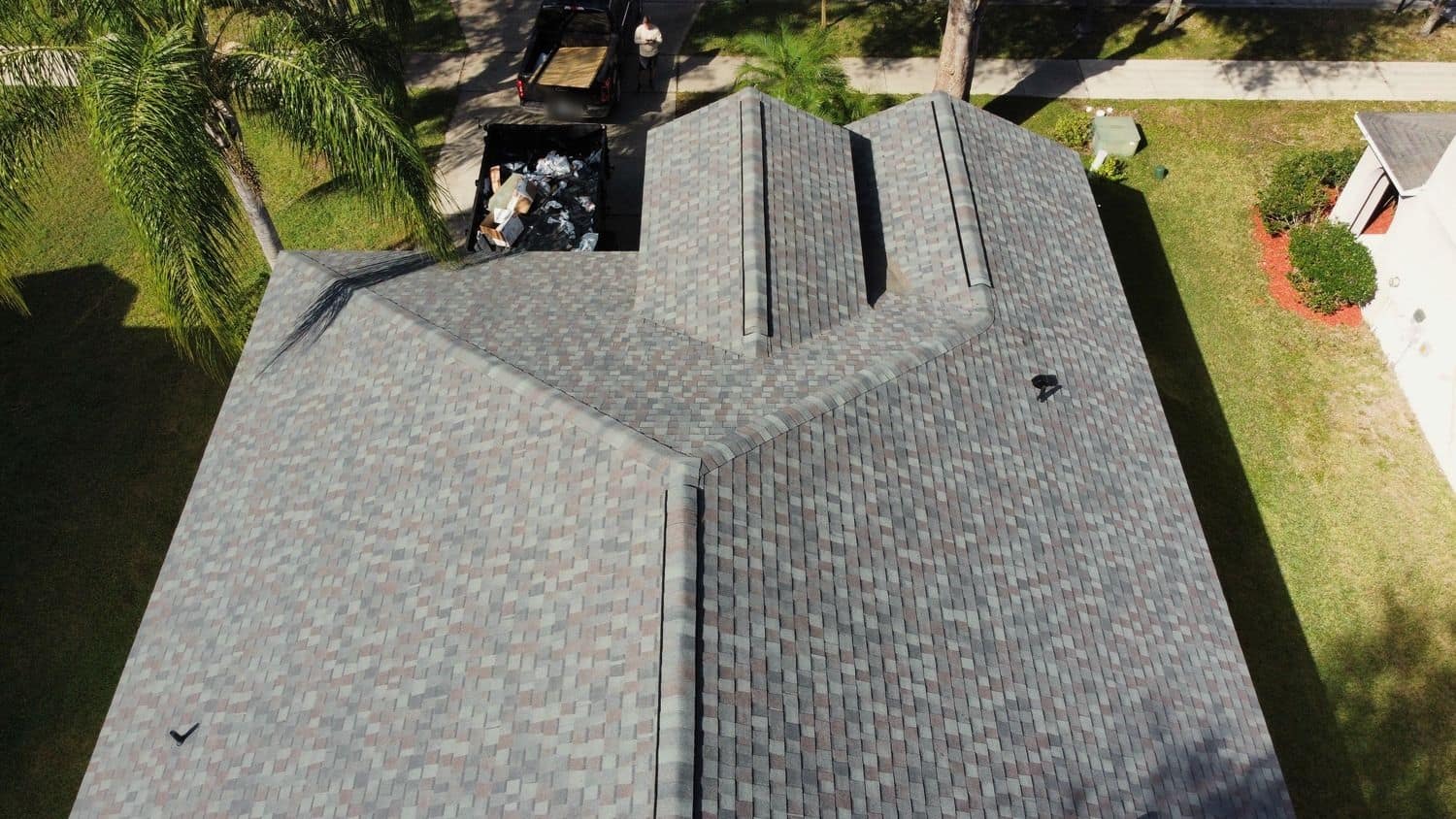
Roofing in St. Cloud, Florida
St. Cloud's Building Department states an ultimate design wind speed of 140 mph for Risk Category II buildings, and that number shapes every permitted roof in the city. Homes here are fairly young, with a median build year of 2003. Many roofs are likely under 25 years old, but older pockets exist, and each needs its own check.
Updated October 2026
Home age
Why the age of your St. Cloud roof carries weight
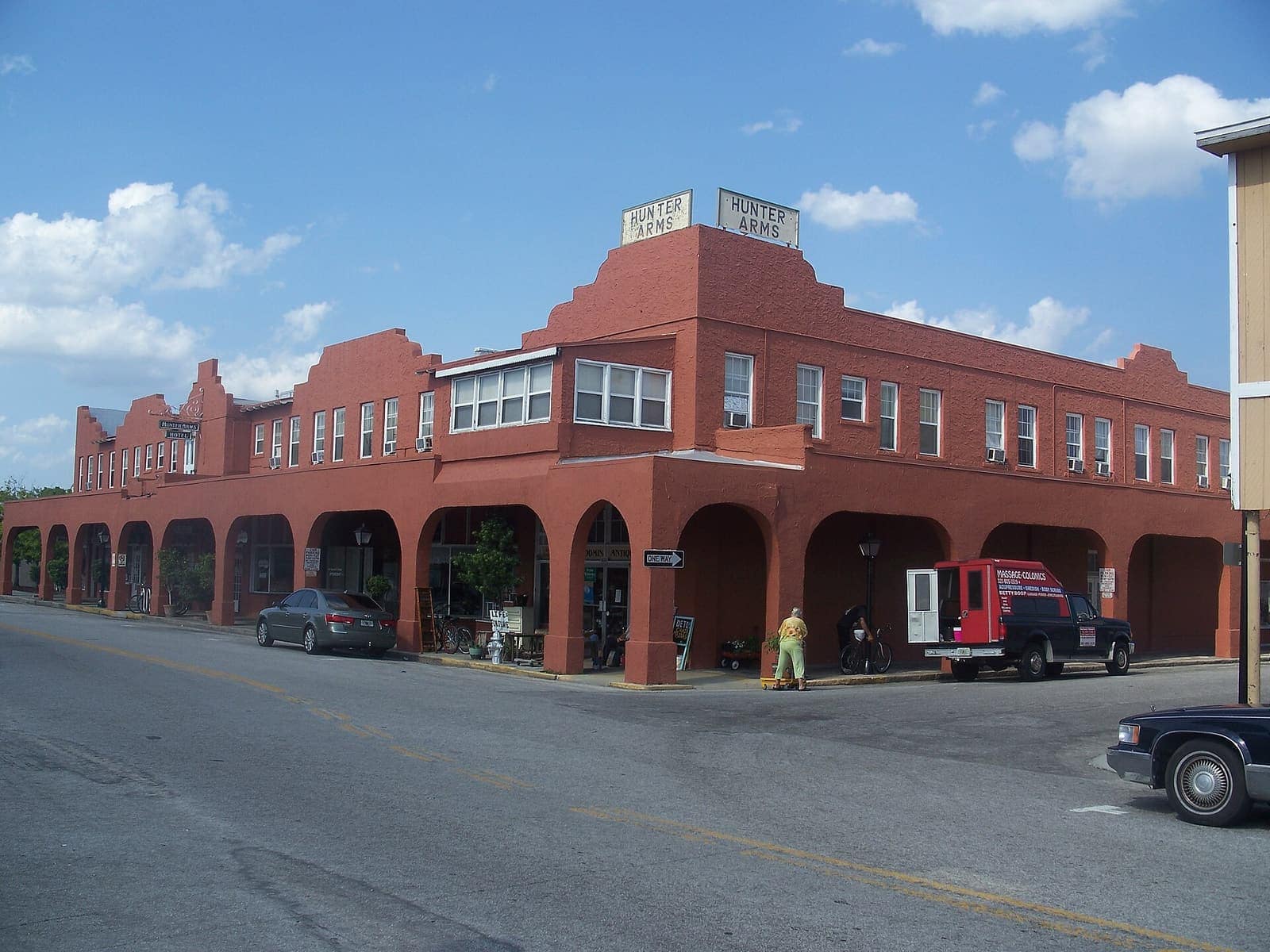
The median St. Cloud home was built in 2003, and 32.6 percent of homes date from 2010 or later. By our arithmetic, the city's 19.5 percent share built before 1980 is 8.2 points above the county's 11.3 percent. Those older homes are where original or much-replaced roofs are most likely.
Once a shingle roof reaches 25 years, or a tile or metal roof reaches 50, Citizens Property Insurance wants paperwork showing at least five years of remaining useful life. A roof from the early 2000s is nearing that first line. Ask your insurer or agent which age rule applies to your policy.
Mobile homes are 6.4 percent of St. Cloud housing units, close to the county's 6.7 percent. If you own one, the roof is often a separate project from a site-built home's. Ask whoever bids to explain how the roof attaches to the structure.
Permits
Who issues roof permits in St. Cloud
Roof permits here come from the City of St. Cloud Building Department, and the official page was checked and verified. Confirm current steps with that office before work begins. Osceola County's separate permit exemption for qualifying single-family work excludes any property partly or entirely in a flood hazard area, so ask the office before assuming it applies to you.
The 25 percent rule limits how much roof can be repaired in any 12-month period before the whole roof section must be replaced or recovered. That requirement does not apply if the current roof was built or replaced under the 2007 Florida Building Code or a later edition. A roof from 2003 would not qualify for that exception, so a repair on it can trigger a larger scope.
Florida's new building rules, the 2023 edition of the state code, took effect on December 31, 2023. Beginning December 31, 2026, any permit application filed on or after that date falls under the Ninth Edition. A roof in the permit process around that date may fall under different code text.
Florida also requires a Notice of Commencement to be recorded and posted before the first inspection. The permit card cautions that if you skip the permit, you may end up paying for the same job a second time.
Building permits
City of St. Cloud Building Department
Official building pageOffice names and links only. Fees, forms and timing change; check the official page.
Local rules
Flooding, history and local review
St. Cloud has an adopted Historic Preservation Plan and a Historic Preservation Board. If your home is in a historic area, ask the building office whether a roof material change needs board review before you order anything.
During Hurricane Ian in 2022, notable flooding hit communities next to Lake Center and Runnymede Lake. Osceola County counted 3,200 residential and 900 business structures affected or damaged, mainly by flooding. Flooding is not a roof matter, but it matters for permits, since flood hazard areas change which county exemptions apply.
- St. Cloud's Building Department states an ultimate design wind speed of 140 mph for Risk Category II buildings in the city.
- During Hurricane Ian (2022) notable flooding occurred in communities next to Lake Center and Runnymede Lake in St. Cloud.
- St. Cloud has an adopted Historic Preservation Plan and a Historic Preservation Board.
Services
Roofing services in St. Cloud
- Roof replacementTear-off, deck, code items and the two inspections.Re-roofs in St. Cloud
- Roof repairLeaks, lifted shingles, cracked tile and flashing.Repairs in St. Cloud
- Roof inspectionsRoof age, condition and what an insurer asks about.Inspections in St. Cloud
- Commercial roofingLow-slope systems, drainage and the code for buildings.Commercial roofs in St. Cloud
- New construction roofingDry-in, the sheathing inspection and the code edition.New construction in St. Cloud
- GuttersSizing for Florida rain, downspouts and fascia.Gutters in St. Cloud
Questions
St. Cloud roofing questions
What is the 25% roof rule in Florida?
It limits repairs to 25 percent of the roof area or section in any 12-month period. If damage goes beyond that point, the entire roof section has to be torn off and replaced or laid over. That requirement does not apply if the current roof was built or replaced under the 2007 Florida Building Code or a later edition. In St. Cloud, where the median home was built in 2003, many original roofs would not meet that exception. Contact the City of St. Cloud Building Department to learn how these rules apply to your particular roof.
Source: U.S. Census Bureau, American Community Survey 2020-2024 5-year estimates (acs2024_5yr), via Census Reporter API, table B25035, read Oct 5, 2026
Who issues a roof permit in St. Cloud?
The City of St. Cloud Building Department issues roof permits, and its official page was checked and verified. Check with that office for the latest requirements before any work begins. The city states an ultimate design wind speed of 140 mph for Risk Category II buildings, which applies to roof design. Osceola County's permit exemption for qualifying work excludes flood hazard areas.
Source: City of St. Cloud Building Department, read Oct 5, 2026
What is the new Florida code that affects roofs?
On December 31, 2023, the Eighth Edition of Florida's 2023 Building Code began to apply. Permit applications filed on or after December 31, 2026 must meet the Ninth Edition, which takes effect that day. If your St. Cloud roof permit application falls near that date, ask the Building Department which edition governs your application.
Source: FRSA, "New 2023 FBC Eighth Edition is Now in Effect", 2024-02-13, read Oct 5, 2026
Do older St. Cloud homes face insurer roof rules?
They can. Citizens Property Insurance requires documentation of at least five years of remaining useful life for shingle roofs older than 25 years and for tile or metal roofs older than 50. St. Cloud's median home was built in 2003, and 19.5 percent of homes predate 1980, so some roofs are well past those ages. Your own insurer or agent decides how this applies to your policy.
Source: U.S. Census Bureau, American Community Survey 2020-2024 5-year estimates (acs2024_5yr), via Census Reporter API, table B25034, read Oct 5, 2026
Does a mobile home roof in St. Cloud work differently?
Mobile homes are 6.4 percent of St. Cloud housing units, so many owners ask. The roof still needs the right permit path, and Osceola County's permit exemption covers only single-family homes outside flood hazard areas. Ask the City of St. Cloud Building Department what applies to your home before signing a contract.
Source: U.S. Census Bureau, American Community Survey 2020-2024 5-year estimates (acs2024_5yr), via Census Reporter API, read Oct 5, 2026
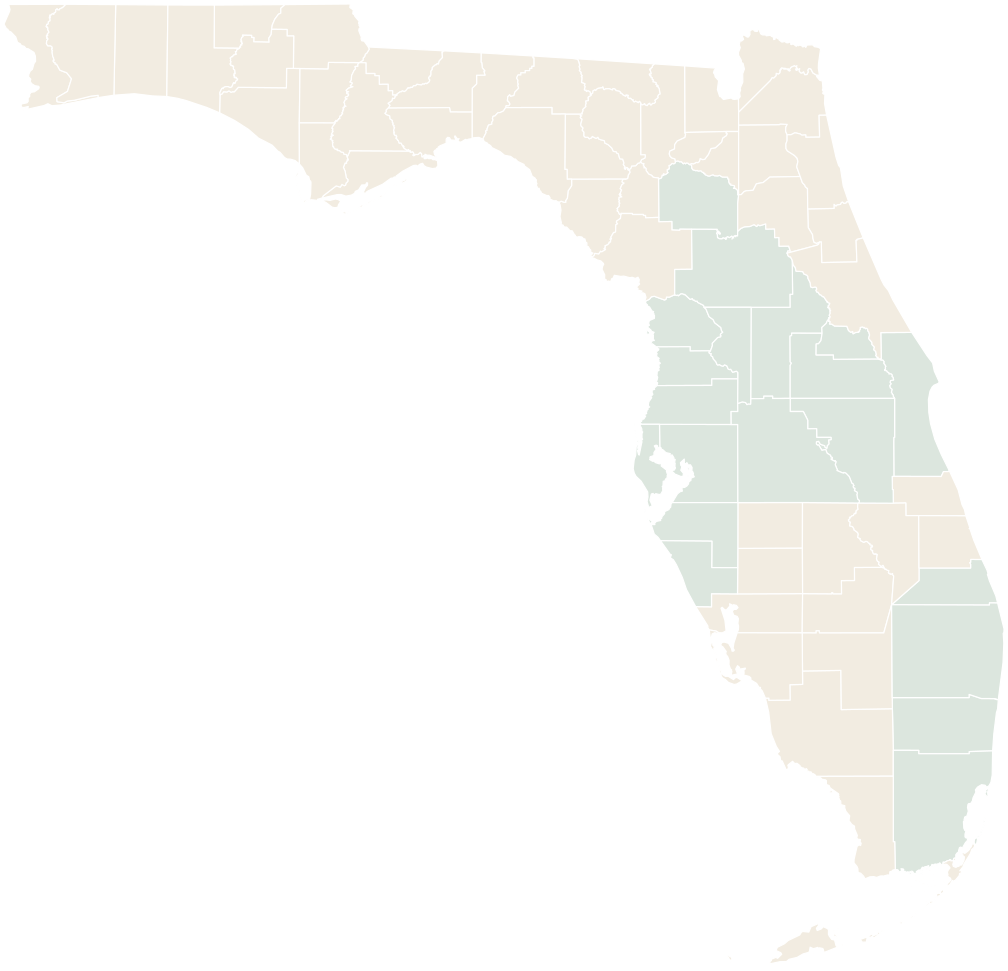
Osceola County
More in Osceola County
Sources for this page(30)
- 1.Median year homes were built: 2003. U.S. Census Bureau, American Community Survey 2020-2024 5-year estimates (acs2024_5yr), via Census Reporter API. Read Oct 5, 2026.
- 2.Share of homes built 2010 or later: 32.6%. U.S. Census Bureau, American Community Survey 2020-2024 5-year estimates (acs2024_5yr), via Census Reporter API. Read Oct 5, 2026.
- 3.Share of homes built before 1980: 19.5%. U.S. Census Bureau, American Community Survey 2020-2024 5-year estimates (acs2024_5yr), via Census Reporter API. Read Oct 5, 2026.
- 4.U.S. Census Bureau, American Community Survey 2020-2024 5-year estimates (acs2024_5yr), via Census Reporter API, tables B25034/B25035. Read Oct 5, 2026.
- 5.City of St. Cloud, Historic Preservation. Read Oct 5, 2026.
- 6.U.S. Census Bureau, American Community Survey 2020-2024 5-year estimates (acs2024_5yr), via Census Reporter API, table B25035. Read Oct 5, 2026.
- 7.U.S. Census Bureau, American Community Survey 2020-2024 5-year estimates (acs2024_5yr), via Census Reporter API, table B25034. Read Oct 5, 2026.
- 8.Hurricane Ian (2022). NWS Melbourne, Post Tropical Cyclone Report: Hurricane Ian (2022). Read Oct 5, 2026.
- 9.Mobile homes, share of housing units: 6.4%. U.S. Census Bureau, American Community Survey 2020-2024 5-year estimates (acs2024_5yr), via Census Reporter API. Read Oct 5, 2026.
- 10.U.S. Census Bureau, American Community Survey 2020-2024 5-year estimates (acs2024_5yr), via Census Reporter API, table B25024. Read Oct 5, 2026.
- 11.Permit office: City of St. Cloud Building Department. City of St. Cloud Building Department. Read Oct 10, 2026.
- 12.Osceola County, Building and Permits. Read Oct 5, 2026.
- 13.NWS Melbourne, Post Tropical Cyclone Report: Hurricane Ian (2022). Read Oct 5, 2026.
- 14.Hurricane Irma (2017). NWS Melbourne, Post Tropical Cyclone Report: Hurricane Irma (2017). Read Oct 5, 2026.
- 15.Hurricane Milton (2024). NWS Melbourne, County Impacts Associated with Milton (2024). Read Oct 5, 2026.
- 16.City of St. Cloud, Permit Information (Building Department). Read Oct 5, 2026.
- 17.NOAA NCEI, U.S. Climate Normals 1991-2020 (annual/seasonal), access-data API. Read Oct 5, 2026.
- 18.People (2020 Census): 58,964. U.S. Census Bureau, 2020 Census (TIGERweb tigerWMS_Census2020 MapServer: POP100, HU100, AREALAND, AREAWATER) (2020 Census count). Read Oct 5, 2026.
- 19.Owner-occupied share of occupied homes: 72.5%. U.S. Census Bureau, American Community Survey 2020-2024 5-year estimates (acs2024_5yr), via Census Reporter API. Read Oct 5, 2026.
- 20.U.S. Census Bureau, American Community Survey 2020-2024 5-year estimates (acs2024_5yr), via Census Reporter API, U.S. Census Bureau (via Census Reporter). Read Oct 5, 2026.
- 21.Citizens Property Insurance Corporation, inspections FAQ (updated 2026-03-17), Citizens Property Insurance. Read Oct 4, 2026.
- 22.City of St. Cloud Building Department, City of St. Cloud Building Department. Read Oct 5, 2026.
- 23.2023 Florida Building Code, Building, 8th ed., Chapter 15 (UpCodes viewer, unofficial transcription), UpCodes (Florida Building Code transcription). Read Oct 5, 2026.
- 24.FRSA, "New 2023 FBC Eighth Edition is Now in Effect", 2024-02-13, floridaroof.com. Read Oct 5, 2026.
- 25.Miami-Dade County RER notice, Miami. Read Oct 5, 2026.
- 26.Florida Statutes, section 713.135 (2026), Florida Legislature. Read Oct 5, 2026.
- 27.NWS Melbourne, Post Tropical Cyclone Report: Hurricane Irma (2017), National Weather Service. Read Oct 5, 2026.
- 28.NWS Melbourne, County Impacts Associated with Milton (2024), National Weather Service. Read Oct 5, 2026.
- 29.NOAA Atlas 14 Volume 9 version 2, partial-duration intensity estimates at the St. Cloud 2020 Census internal point (28.2266, -81.2735), NOAA Hydrometeorological Design Studies Center. Read Oct 5, 2026.
- 30.NOAA Atlas 14 Volume 9 version 2, partial-duration 24-hour depth estimates at the St. Cloud 2020 Census internal point (28.2266, -81.2735), NOAA Hydrometeorological Design Studies Center. Read Oct 5, 2026.
South Fork Roofing
Roofing in St. Cloud: tell us about yours.
Answer a few questions about your roof, or call.